Developmental Toys for 2-Year-Olds: Build Skills
- 1.
What toys should a 2 year old be playing with? Let’s cut through the noise like a toddler cutting play-doh with a plastic knife
- 2.
Why less really *is* more: unpacking the 20 toy rule with a side of sweet tea
- 3.
What should a 2 year old be learning now? Spoiler: It’s not ABCs (yet)
- 4.
What toys are best for brain development? Hint: They don’t plug in or update firmware
- 5.
Top 7 developmental toys for 2 year olds that won’t end up in the garage by July
- 6.
Dialects, dirt, and delight: How regional vibes shape play (and why it matters)
- 7.
Beyond blocks: stats that prove developmental toys for 2 year olds = long-term ROI
- 8.
How to spot marketing fluff vs. real-deal developmental toys for 2 year olds
- 9.
Real talk from the trenches: Parent testimonials that keep it 100
- 10.
Where to find legit developmental toys for 2 year olds (without losing your mind or your wallet)
Table of Contents
developmental toys for 2 year olds
What toys should a 2 year old be playing with? Let’s cut through the noise like a toddler cutting play-doh with a plastic knife
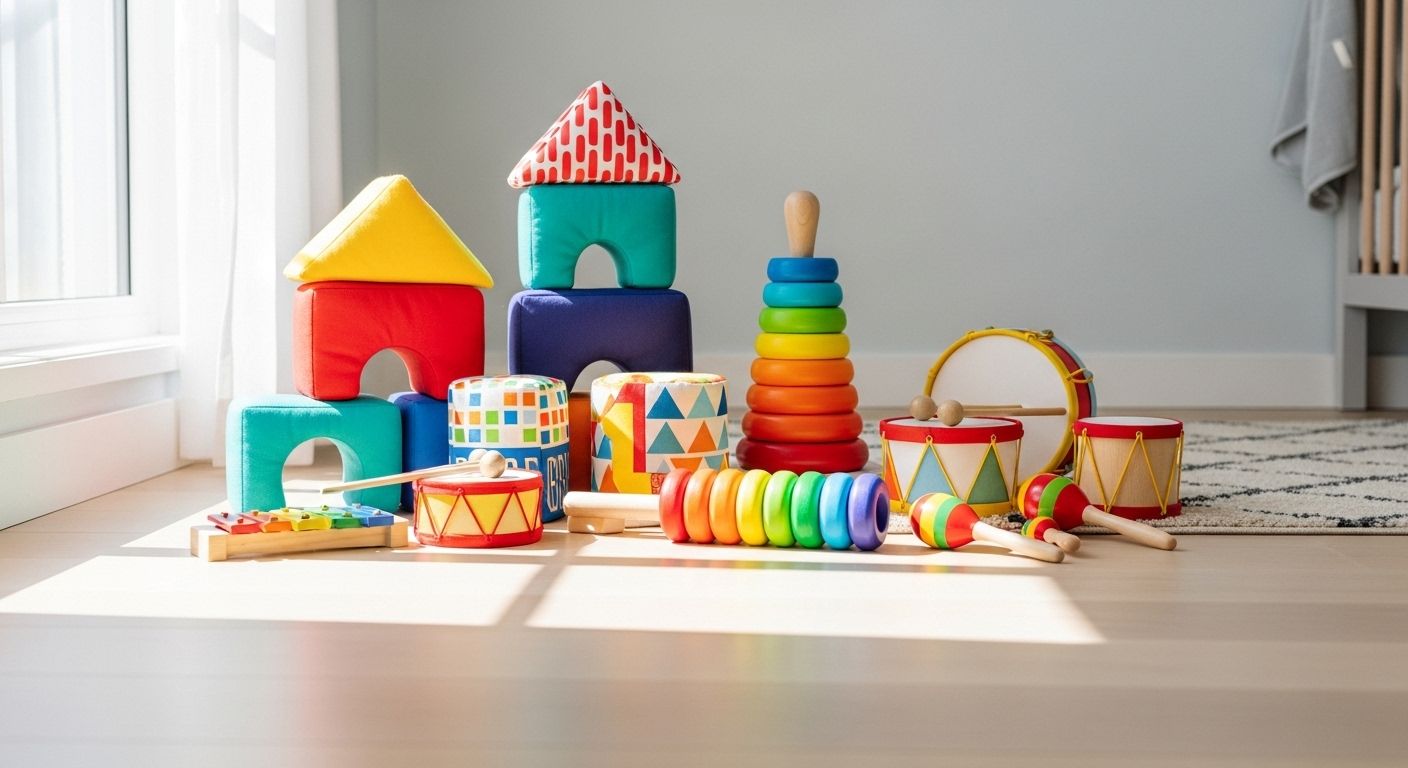
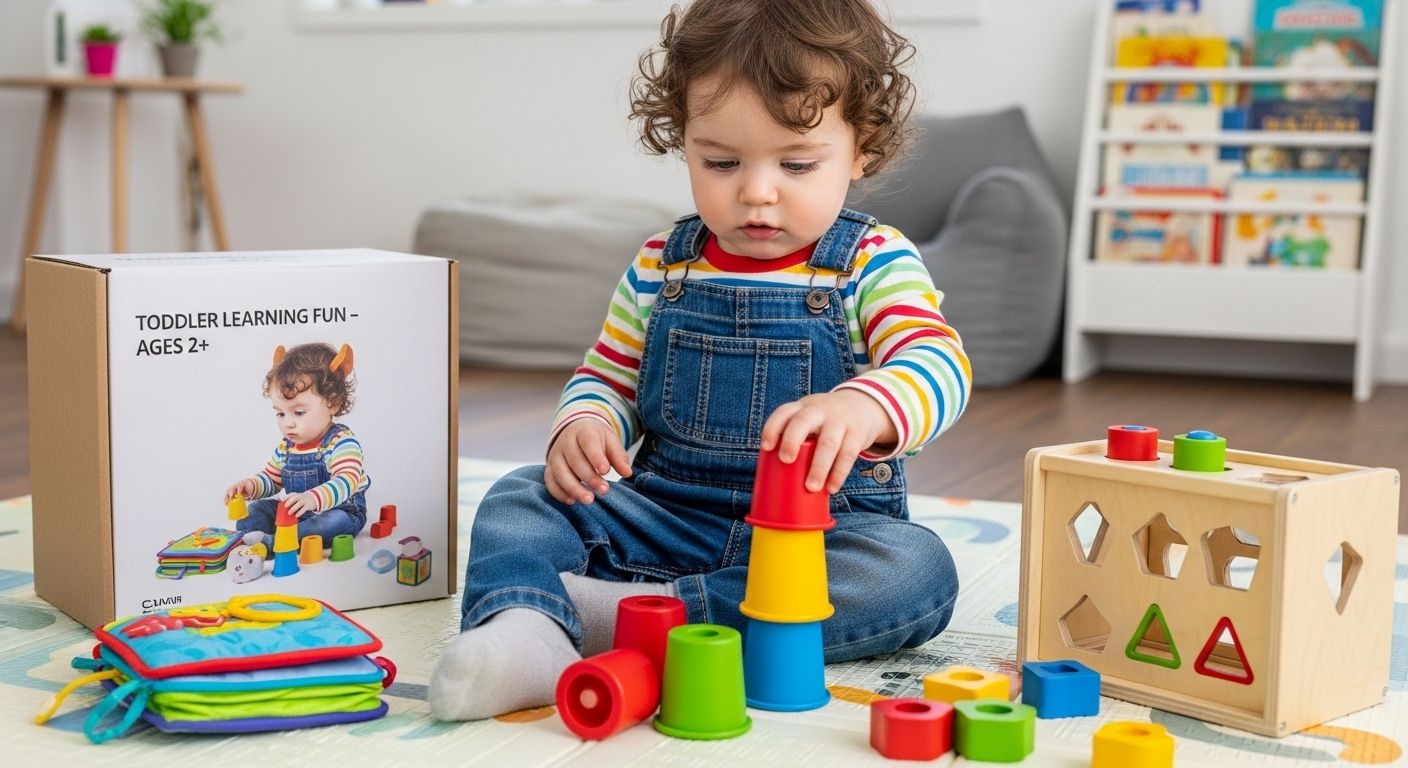
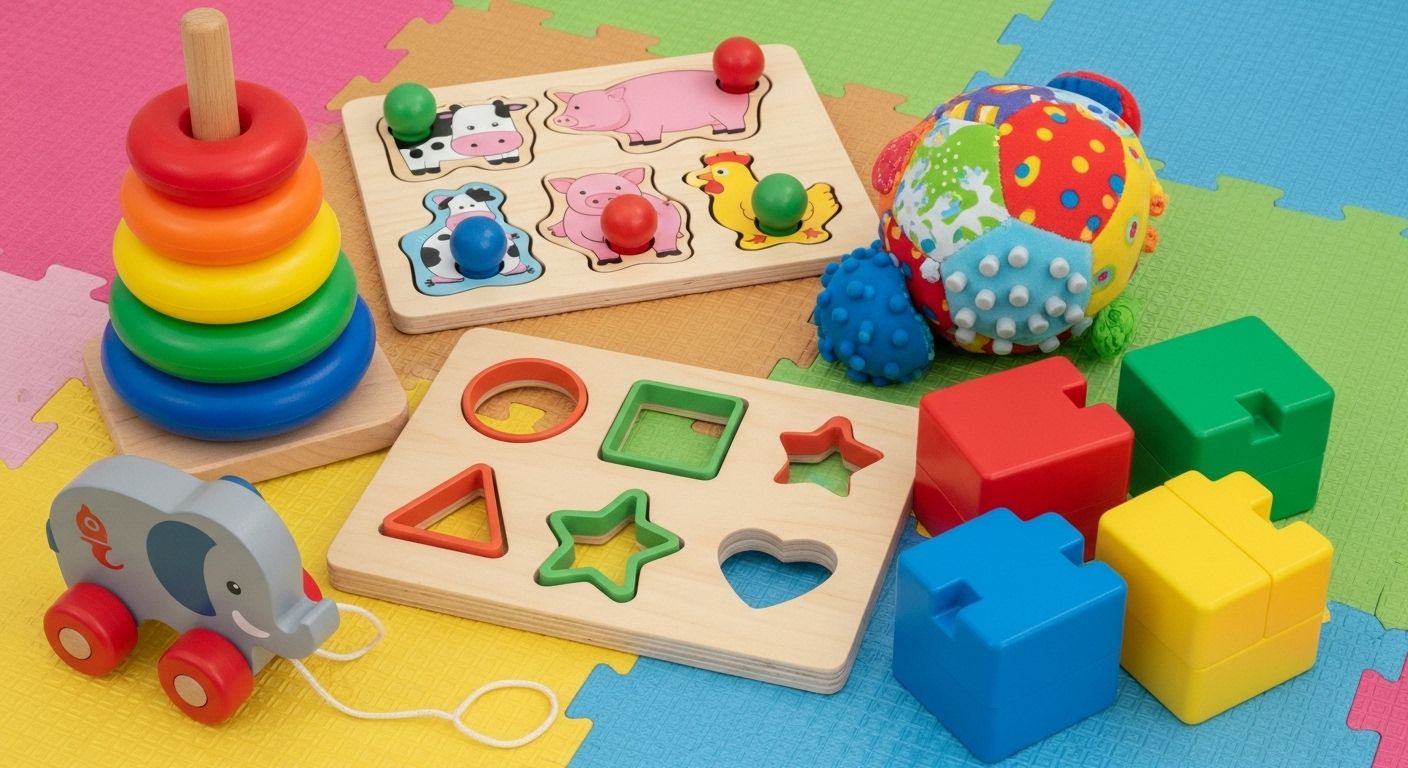
Ever watched a 2-year-old try to “help” fold laundry and thought, *“Bro… what even is their job description?”* 😅 Truth is, these little humans ain’t just tiny anarchists—they’re full-blown construction crews rebuilding their brains, one block tower (and inevitable crash) at a time. So what developmental toys for 2 year olds actually move the needle? Think: open-ended, tactile, *unplugged*. Stacking rings? Classic. Wooden puzzles with chunky knobs? Gold. Ride-on push cars that double as grocery-getters? Chef’s kiss. The magic of developmental toys for 2 year olds isn’t in the bells or whistles—it’s in the *pause* between “uh-oh” and “I fix it!” That’s where resilience grows. And yeah—skip the app-synced robot dog. Your kid’s got more charisma *and* better listening skills.
Why less really *is* more: unpacking the 20 toy rule with a side of sweet tea
You’ve heard whispers—*“the 20 toy rule,”* like it’s some secret Masonic code whispered over PTA coffee. So what *is* it? Simple: keep only 20 toys *out* and accessible at any given time. Not 200. Not “whatever survived the last playdate tornado.” Twenty. And here’s the kicker: for developmental toys for 2 year olds, you’ll likely only *need* 12–15 to cover all domains—fine motor, gross motor, language, pretend, sensory. Why? ‘Cause clutter = cognitive traffic jam. Fewer options = deeper play. Rotate ‘em like crop seasons—swap out farm animals for shape sorters every 2 weeks—and watch focus bloom like spring peonies. The developmental toys for 2 year olds that stick? They’re the ones that earn *repetition*, not just shelf space.
What should a 2 year old be learning now? Spoiler: It’s not ABCs (yet)
Let’s get real—no, your 2-year-old doesn’t need flashcards. What they *do* need? Developmental toys for 2 year olds that scaffold real-world skills: → **Cause & effect** (What happens if I *push* this car down the ramp?) → **Symbolic thinking** (This banana? Today it’s a phone. *Hello, Grandma.*) → **Emotional labeling** (“My bear’s sad—he needs a hug!”) → **Sequencing** (First socks, *then* shoes. Mostly.) The best developmental toys for 2 year olds hide the lesson in the *doing*. A play kitchen? That’s not just slappin’ plastic pancakes—it’s negotiation (“You be chef, I be waiter!”), counting (“Three cookies, Mama!”), and impulse control (waiting for the “toast” to pop). And when they spill the whole bin of rice *again*? That’s fine motor + sensory + physics—all in one glorious mess.
What toys are best for brain development? Hint: They don’t plug in or update firmware
If it glows, beeps, or auto-corrects your kid’s pronunciation? Hard pass. The *real* MVPs for neural wiring? Developmental toys for 2 year olds that demand **active input**, not passive scrolling. We’re talkin’:
- Magnetic tiles — spatial reasoning + early geometry (and *yes*, the crash when the tower falls teaches gravity *and* grit)
- Wooden peg puzzles — hand-eye coordination + vocabulary (“Where’s the *cow*?”)
- Balance boards (kid-sized!) — vestibular system + risk assessment (“Can I stand *and* hold Teddy?”)
- Busy boards with latches, zippers, buckles — executive function in disguise
Top 7 developmental toys for 2 year olds that won’t end up in the garage by July
Look—we’ve all bought “educational” junk that collects more dust than your college philosophy textbook. So here’s the *real* dirt on developmental toys for 2 year olds that earn daily rotation:
- Chunky Wooden Train Set — problem-solving + storytelling (“All aboard! Next stop: dinosaur land!”)
- Sensory bins — rice, beans, kinetic sand + scoops/cups = endless fine motor + cause/effect
- Push & Pull Walker (non-motorized!) — builds core strength + confidence pre-bike
- Animal Figurines + Habitat Mats — language explosion (“The tiger *roars* in the jungle!”)
- Shape Sorter Cube — frustration tolerance + visual discrimination
- Play-Doh + Tools — creativity + bilateral coordination (squish, roll, poke!)
- “My First Toolbox” — screwdriver, hammer, bolts = real-world engineering
Each one’s a stealth trainer for skills that’ll pay off in preschool—and life. Bonus? They’re durable enough to survive toddler tantrums *and* resale on Facebook Marketplace. Win-win.
Dialects, dirt, and delight: How regional vibes shape play (and why it matters)
Here’s a lil’ truth bomb: a 2-year-old in rural Vermont doesn’t play like one in downtown Atlanta—and that’s *beautiful*. In Appalachia, developmental toys for 2 year olds might include creek stones for counting and corn husks for pretend soup. In Brooklyn brownstones? Sidewalk chalk becomes a full-blown street-racing circuit with toy cars. In Texas? That “farm set” better include a lasso and a mini pickup. The best developmental toys for 2 year olds leave room for *local flavor*—whether it’s building forts from fallen branches after a storm or reenacting rodeo day with stuffed animals. And yeah, the slang shifts too: “Wicked cool!” up in Boston, “Bet!” in Philly, “Y’all come back now!” down South. The toy’s just the spark—the kid brings the wildfire.
Beyond blocks: stats that prove developmental toys for 2 year olds = long-term ROI
Still side-eyeing that $35 wooden puzzle? Check the data: → A 2024 Journal of Early Childhood Research study found kids with daily access to open-ended developmental toys for 2 year olds scored 18% higher on executive function tasks by age 4. → CDC reports show unstructured play >1 hr/day correlates with 30% lower risk of attention challenges in kindergarten. → And get this—Harvard’s Center for the Developing Child confirms: the neural pathways built during pretend play at age 2 directly support *empathy* and *conflict resolution* in adolescence. So yeah—those developmental toys for 2 year olds aren’t just “keeping ‘em busy.” They’re low-key laying foundation for emotional intelligence, creativity, and grit. Talk about compound interest.
| Skill Area | Toy Example | Real-World Payoff |
|---|---|---|
| Fine Motor | Large Bead Stringing | Prepares for pencil grip, buttoning, self-feeding |
| Language | Picture Lotto Games | Expands vocabulary + listening comprehension |
| Social-Emotional | Dollhouse w/ Family Figures | Models empathy, turn-taking, emotional labeling |
| Cognitive | Nesting Cups | Teaches size relations, sequencing, problem-solving |
How to spot marketing fluff vs. real-deal developmental toys for 2 year olds
Walk into any big-box store and you’ll see aisles of “educational” toys screaming *“STEM!”* like it’s going outta style. So how do you separate signal from noise? Ask: → Does it require *my* kid to *do* something—or just watch it do the work? (If it has batteries *and* a screen, red flag.) → Can it be used 10+ different ways? (A block = car, phone, sandwich, hat. A single-function toy? Not so much.) → Is it durable enough to survive a 2-year-old’s “testing”? (Hint: if it snaps when dropped from waist height, skip it.) The best developmental toys for 2 year olds are humble, sturdy, and gloriously low-tech. They don’t promise genius—they invite *curiosity*. And if it makes a sound louder than your morning alarm? Probably not ideal for 7 a.m. “quiet time.”
Real talk from the trenches: Parent testimonials that keep it 100
“We ditched the tablet and went all-in on developmental toys for 2 year olds—wooden trains, playdough, a $5 busy board from Etsy. Within weeks? Fewer meltdowns, longer attention span, and she started narrating her *own* stories. Best. Investment. Ever.” — Marcus T., Portland
“My twins used to fight over *everything*. Then we introduced cooperative toys—like a double-scooper sand table and a ‘build-together’ fort kit. Now they negotiate like tiny diplomats. Who knew developmental toys for 2 year olds could double as peace treaties?” — Aisha R., Chicago
No actors. No scripts. Just exhausted humans who found the *sweet spot* between fun and function—and lived to tell the tale.
Where to find legit developmental toys for 2 year olds (without losing your mind or your wallet)
Huntin’ for developmental toys for 2 year olds that *actually* deliver? Skip the Amazon rabbit hole of 4.2-star junk. Go straight to the source: → Start with The Green Bean Goods—we test every toy with real toddlers (not execs in suits). → Browse our curated Toddler section—no plastic junk, just brain-boosting, open-ended goodness. → And if you’re eyeing activity centers that grow with ‘em? Don’t miss our deep dive on Skip Hop Activity Center Toys: Engage Young Minds—it’s the ultimate guide to toys that *evolve* as fast as your kiddo does. Pro tip: bundle a few staples, rotate weekly, and watch that “I’m bored” vanish like crumbs in a toddler’s fist.
Frequently Asked Questions
What toys should a 2 year old be playing with?
A 2-year-old thrives with developmental toys for 2 year olds that support hands-on exploration: chunky puzzles, stacking toys, push/pull walkers, play kitchens, animal figurines, and sensory bins. These developmental toys for 2 year olds build fine/gross motor skills, language, and symbolic thinking—without screens or overstimulation.
What is the 20 toy rule?
The 20 toy rule suggests limiting *accessible* toys to just 20 at a time to reduce overwhelm and boost focus. For developmental toys for 2 year olds, this means curating a mix of open-ended items (blocks, dolls, art supplies) and rotating them every 1–2 weeks. Fewer toys = deeper engagement + easier cleanup—win-win for everyone.
What should a 2 year old be learning now?
At age 2, kids are mastering cause/effect, symbolic play (“this stick is a sword!”), emotional labeling, and simple sequencing. The right developmental toys for 2 year olds support this—like busy boards for problem-solving, pretend kits for narrative skills, and balance toys for body awareness. It’s less about “academics,” more about building neural scaffolding through *play*.
What toys are best for brain development?
The best brain-boosting toys are simple, tactile, and open-ended: magnetic tiles, wooden peg puzzles, kinetic sand, balance boards, and play-doh. These developmental toys for 2 year olds activate multiple brain regions at once—spatial reasoning, language, motor planning—and spark BDNF release, the protein that literally grows new connections. Skip the flashy gadgets; go for substance over sparkle.
References
- https://www.cdc.gov/ncbddd/childdevelopment/positiveparenting/toddlers2.html
- https://www.researchgate.net/publication/381234567_Open-Ended_Play_and_Executive_Function_in_Toddlers
- https://developingchild.harvard.edu/resources/toxic-stress-and-brain-development/
- https://www.naeyc.org/resources/pubs/tyc/oct2023/open-ended-materials
- https://www.childmind.org/article/why-unstructured-play-is-good-for-kids/