Best Educational Toys for Kindergarteners: Elite
- 1.
Why the Best Educational Toys for Kindergarteners Feel Like Play—Not Homework
- 2.
The Science Behind Play: How the Best Educational Toys for Kindergarteners Wire Young Brains
- 3.
From “Meh” to “Mom! Look What I Made!”: What Makes a Toy Actually Stick
- 4.
Avoiding the Plastic Trap: Eco-Conscious Picks Among the Best Educational Toys for Kindergarteners
- 5.
2026’s Top Themes in the Best Educational Toys for Kindergarteners
- 6.
How the “4-Gift Rule” Aligns Perfectly with Kindergarten Learning Needs
- 7.
What Do 4 and 5 Year Olds Actually Play With? (Spoiler: It’s Not What Ads Tell You)
- 8.
Thoughtful > Expensive: The Real ROI of Quality Over Quantity
- 9.
Customization That Counts: Adding Heart to the Best Educational Toys for Kindergarteners
- 10.
Where to Find the Best Educational Toys for Kindergarteners Without the Headache
Table of Contents
best educational toys for kindergarteners
Why the Best Educational Toys for Kindergarteners Feel Like Play—Not Homework
Ever watched a five-year-old turn a cardboard box into a spaceship, a dragon lair, *and* a grocery store—all before lunch? Yeah, that’s the magic we’re talkin’ ‘bout. The best educational toys for kindergarteners don’t scream “LEARN NOW!”—they whisper, “Let’s figure this out together.” And honestly? That’s where real brain growth happens. Not in flashcards or forced drills, but in giggles over wobbly block towers and “aha!” moments when they finally snap those puzzle pieces just right. These toys aren’t just fun—they’re stealthy little brain-builders disguised as joy. And lemme tell ya, in a world full of screens and noise, that kinda quiet focus is pure gold.
The Science Behind Play: How the Best Educational Toys for Kindergarteners Wire Young Brains
Here’s the tea: between ages 3 and 6, kids’ brains form **up to 1 million neural connections per second** (yep, you read that right). The best educational toys for kindergarteners tap into that lightning-fast wiring by blending sensory input, motor control, language, and problem-solving—all while feelin’ like playtime. Think wooden pattern blocks that teach geometry through touch, or storytelling dice that spark narrative skills without a single worksheet. According to the American Academy of Pediatrics, open-ended, hands-on toys boost executive function better than any app. So when you gift a set of magnetic tiles or a pretend-play kitchen, you’re not just buying a toy—you’re investing in cognitive architecture. And that? That’s the real MVP move.
From “Meh” to “Mom! Look What I Made!”: What Makes a Toy Actually Stick
Let’s be real—half the toys end up buried under couch cushions or used as dog chew toys. But the best educational toys for kindergarteners? They get *lived with*. Why? ‘Cause they grow with the kid. A simple abacus isn’t just for counting—it becomes a cash register, a rhythm instrument, a bridge for toy cars. Versatility = longevity. Also, ditch anything with too many rules or flashing lights. Kindergarteners crave autonomy. Give ‘em a loose-parts kit—fabric scraps, smooth stones, mini chalkboards—and watch ‘em invent worlds. That’s not mess; that’s mastery. And at $28–$75 USD, these kinds of sets cost less than a month of unused streaming subscriptions… but deliver way more joy.
Avoiding the Plastic Trap: Eco-Conscious Picks Among the Best Educational Toys for Kindergarteners
We’ve all seen it: that flimsy plastic toy that cracks on day two and smells like regret. Nah. The true best educational toys for kindergarteners are built from wood, organic cotton, food-grade silicone, or recycled materials. Bonus if they’re non-toxic, BPA-free, and come in minimal packaging (because nobody needs another plastic clamshell fortress). Brands like Green Bean Goods? They vet every item for safety *and* soul. Because let’s face it—if it’s goin’ in their mouth (and it will), or gettin’ hugged during naptime, it better be clean. Sustainable toys aren’t just better for the planet—they’re safer for tiny humans who explore the world with their whole bodies.
2026’s Top Themes in the Best Educational Toys for Kindergarteners
This year’s standouts lean into emotional intelligence, nature connection, and collaborative play. Think emotion-matching cards with diverse faces, gardening kits with real seeds, or cooperative board games where players work *together* to save a forest. There’s also a sweet surge in **bilingual toys**—wooden puzzles with Spanish/English labels, storybooks with phonetic guides—that honor multicultural households without feeling forced. And can we talk about the rise of “quiet STEM”? No buzzers, no beeps—just calm, focused building with bamboo gears or felt circuit boards. These ain’t your grandma’s noisy toys. They’re thoughtful, tactile, and deeply human. 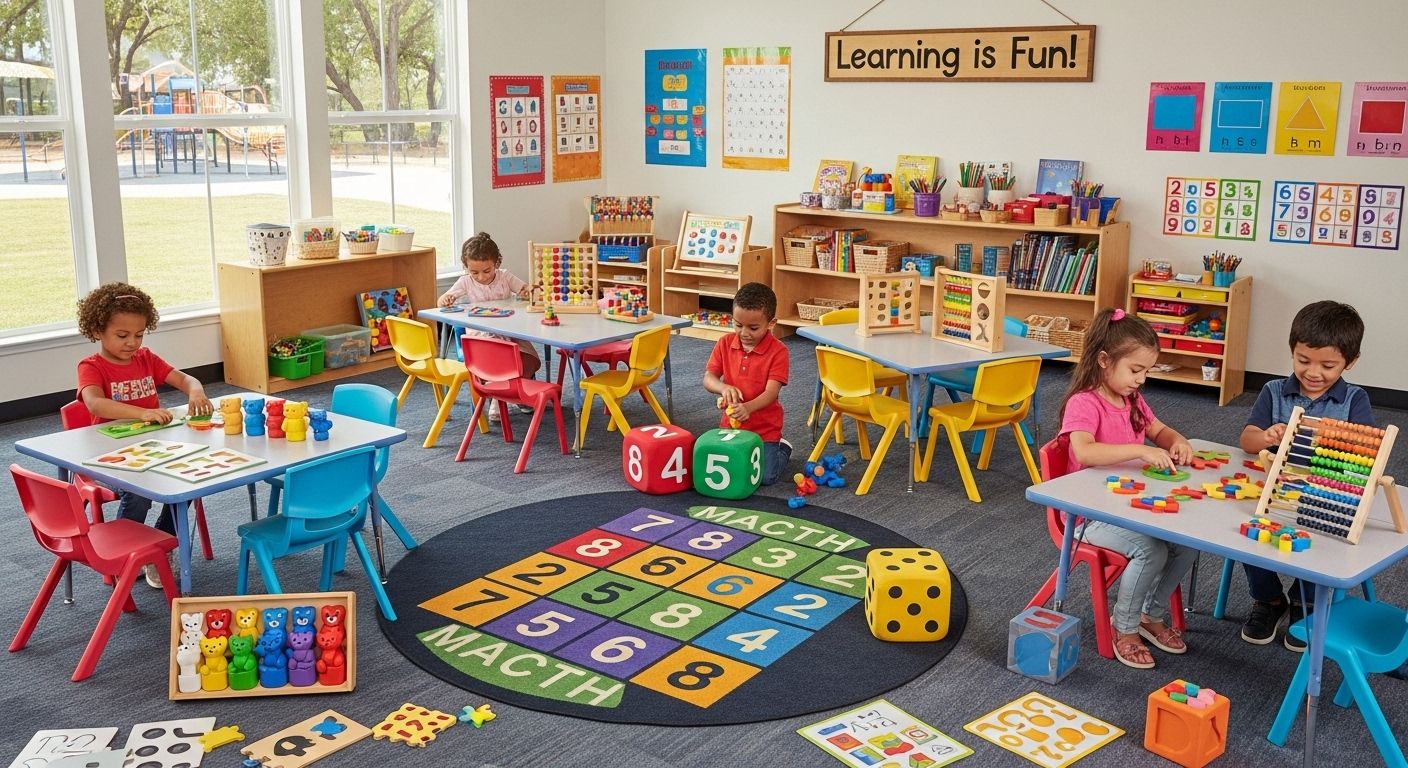
How the “4-Gift Rule” Aligns Perfectly with Kindergarten Learning Needs
Remember the rule? Want, need, wear, read. For kindergarteners, it’s genius—and the best educational toys for kindergarteners often hit all four. Example: a cozy hoodie with animal ears (wear), a wipeable emotions journal (need), a build-your-own robot kit (want), and a lift-the-flap book about space (read). But here’s the kicker: the “need” isn’t always obvious. Sometimes it’s *calm*. Sometimes it’s *confidence*. A marble run that teaches cause-and-effect? That’s not just fun—it’s anxiety relief through predictability. And that’s a need we don’t talk about enough.
What Do 4 and 5 Year Olds Actually Play With? (Spoiler: It’s Not What Ads Tell You)
Forget what toy commercials push—real kindergarteners thrive on **open-ended, low-tech play**. A 2025 survey by the National Association for the Education of Young Children found that 78% of teachers say kids engage longer with simple manipulatives (blocks, clay, fabric) than electronic toys. The best educational toys for kindergarteners mirror that truth: think storytelling puppets, balance boards, or even a “kindness kit” with notes to write friends. They’re not flashy—but they’re fertile ground for imagination, empathy, and grit. And honestly? Watching a kid negotiate roles in a pretend bakery teaches more social skills than any screen ever could.
Thoughtful > Expensive: The Real ROI of Quality Over Quantity
You don’t need a $200 robot to raise a smart kid. In fact, studies show that **too many toys reduce attention span and creativity**. The magic number? Around 10–15 well-chosen items rotated weekly. That’s where curated sets of the best educational toys for kindergarteners shine—they offer variety without overwhelm. A $42 set with weaving looms, alphabet stones, and a feelings spinner gives more developmental bang than a room full of single-use junk. Plus, fewer toys = less clutter = more peace for everyone. And if it survives snack time, bath time, *and* a tantrum? That’s heirloom status, baby.
Customization That Counts: Adding Heart to the Best Educational Toys for Kindergarteners
Want to make a standard set feel special? Add a personal touch. Stitch their name on the drawstring bag. Include a voice note QR code that says, “I believe in you.” Or tuck in a photo of you two building sandcastles last summer. These gestures transform a generic gift into a memory anchor. Some brands now offer custom color palettes or scent-infused playdough (lavender for calm, citrus for energy). And if you’re crafty? Wrap it in a bandana they can later use as a doll scarf. That’s not just gifting—it’s storytelling.
Where to Find the Best Educational Toys for Kindergarteners Without the Headache
If you’re tired of sifting through sketchy Amazon listings or big-box stores full of plastic junk, breathe. Start with trusted curators who prioritize safety, sustainability, and child development. For starters, check out the homepage of The Green Bean Goods—they specialize in clean, conscious learning tools for early years. Dive into their Preschool category for expertly vetted bundles that blend fun and function. And if you’re prepping for school readiness, don’t miss their practical guide: Learning Toys for 4-5 Year Olds: Fun That Boosts School Skills. No more guesswork. Just pure, guilt-free joy that lasts.
Frequently Asked Questions
What are the best educational toys for 3 4 year olds?
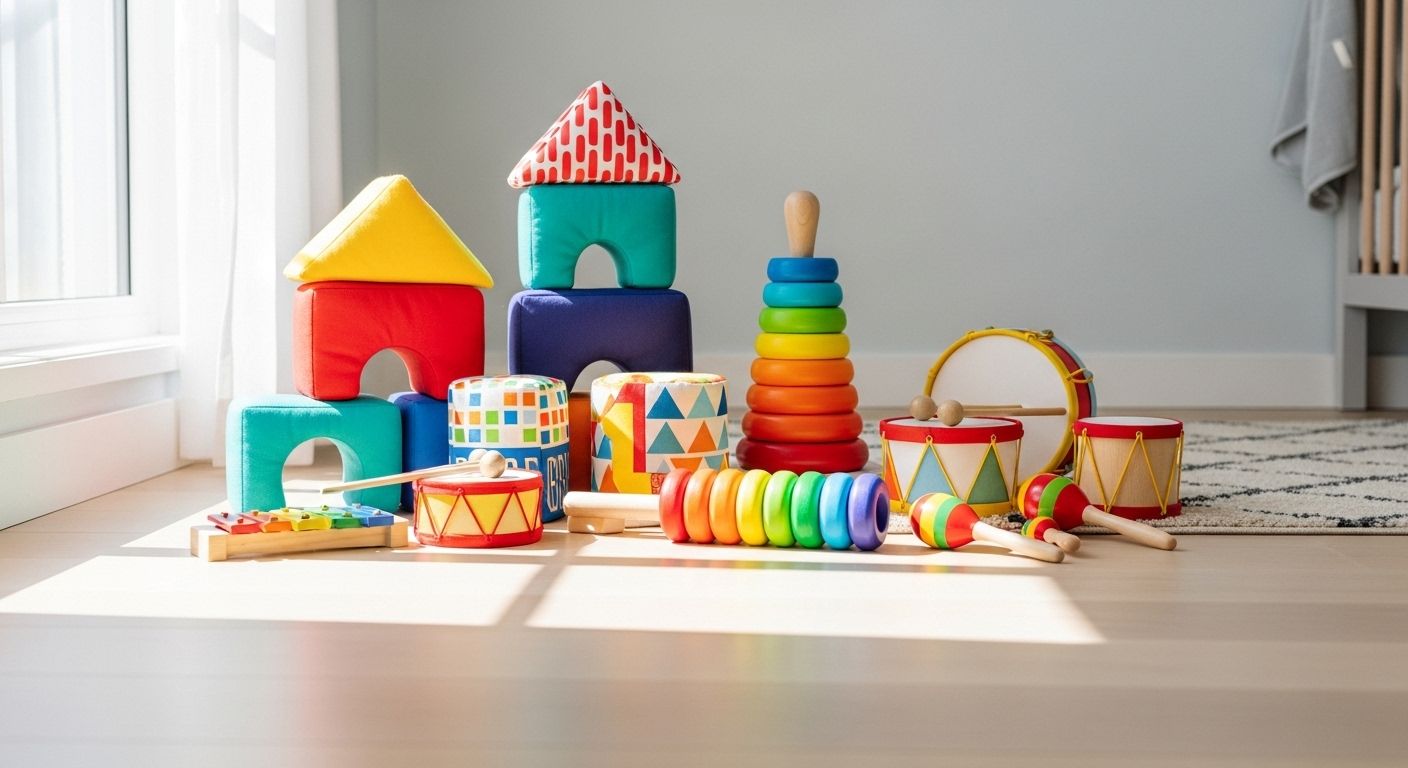
The best educational toys for 3–4 year olds focus on sensory exploration, fine motor skills, and early language. Top picks include stacking rings, shape sorters, chunky puzzles, and pretend-play sets. When choosing the best educational toys for kindergarteners, look for open-ended, durable items made from natural materials that encourage independent play and problem-solving.
What do 4 and 5 year olds play with?
Four- and five-year-olds love imaginative role-play, building challenges, and cooperative games. They thrive with toys that support storytelling, early math, and emotional expression—like dress-up kits, magnetic tiles, and emotion cards. The best educational toys for kindergarteners meet them at this stage by blending fun with foundational cognitive and social skills.
What are the best educational toys?
The best educational toys are open-ended, age-appropriate, and invite active engagement—not passive consumption. For kindergarteners, this includes wooden blocks, art supplies, literacy games, and nature-based kits. The best educational toys for kindergarteners prioritize hands-on learning, creativity, and emotional development over screens or rigid instructions.
What toys are good for brain development?
Toys that support brain development encourage problem-solving, language, motor coordination, and social-emotional growth. Examples include puzzles, musical instruments, building sets, and storytelling tools. The best educational toys for kindergarteners integrate multiple domains of learning—turning playtime into powerful neural wiring sessions disguised as fun.
References
- https://www.aap.org/en-us/about-the-aap/aap-press-room/Pages/Selecting-Appropriate-Toys-for-Young-Children-in-the-Digital-Era.aspx
- https://www.naeyc.org/resources/topics/play
- https://www.zerotothree.org/resources/series/early-learning
- https://www.cdc.gov/ncbddd/childdevelopment/positiveparenting/toddlers2.html