Educational Toys for Six-Year-Olds: Game On
- 1.
Why Do Six-Year-Olds Suddenly Think They’re CEOs of Their Own Imagination?
- 2.
What Toys Actually Help Six-Year-Olds Learn (Without Them Noticing)?
- 3.
Do ADHD Brains Need Different Educational Toys?
- 4.
What’s This “20 Toy Rule” Everyone’s Whispering About?
- 5.
What Do Six-Year-Olds Actually Like to Play With (Beyond Your Phone)?
- 6.
Can Board Games Be Secret Brain Boosters?
- 7.
Should You Care If Toys Are Made From Wood or Plastic?
- 8.
How Do You Spot a Toy That’s Truly Age-Appropriate?
- 9.
What’s the ROI on “Expensive” Educational Toys?
- 10.
Where Can You Find the Good Stuff Without Wasting Time or Cash?
Table of Contents
educational toys for six year olds
Why Do Six-Year-Olds Suddenly Think They’re CEOs of Their Own Imagination?
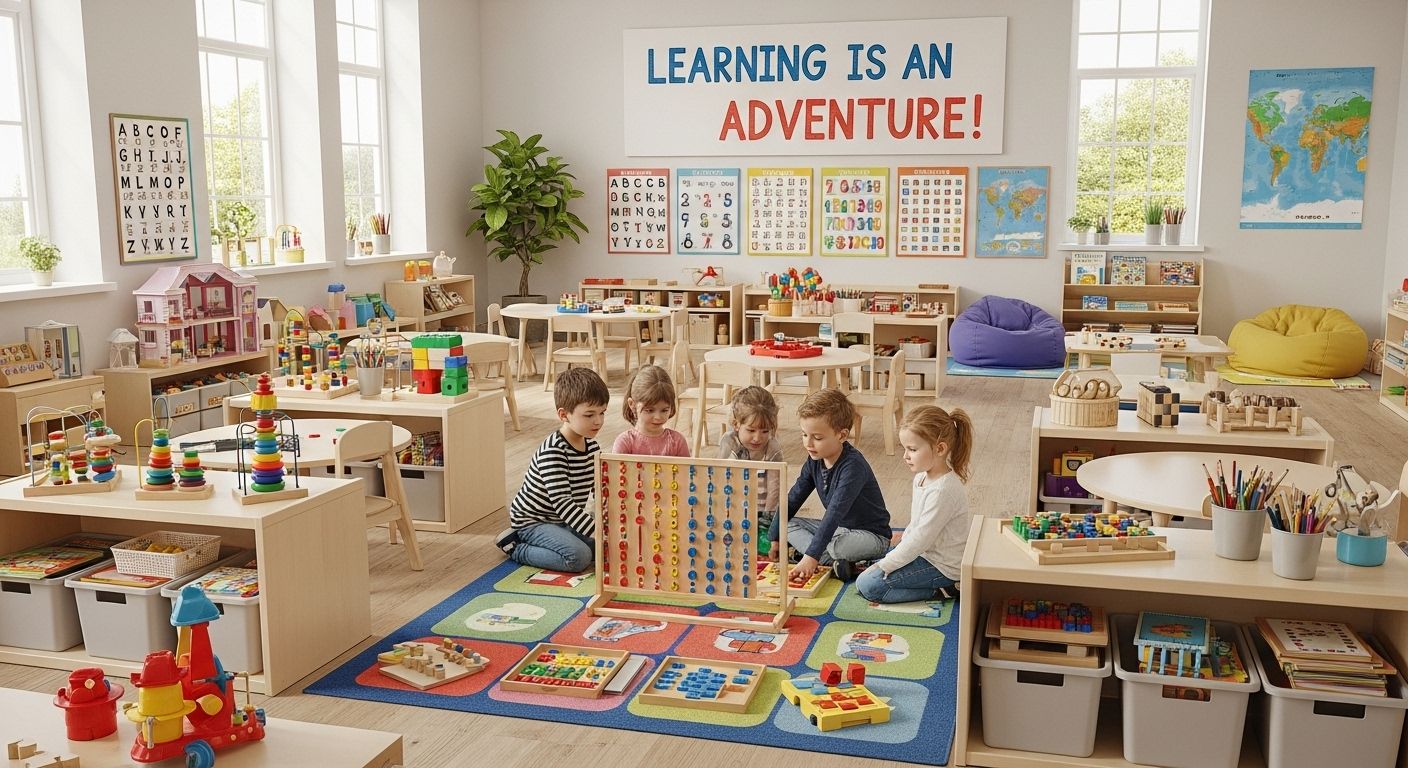
One minute they’re buildin’ a fort outta couch cushions, the next they’re runnin’ a “bakery” that only sells invisible cupcakes. That’s the magic of six—brains buzzin’, bodies wigglin’, and curiosity on turbo. Which is why educational toys for six year olds gotta be more than just pretty plastic. They need to feed that wild spark without killin’ the fun. Think less “sit still and learn,” more “go build a robot that sings lullabies.” ‘Cause at this age? Play *is* learning—and the best educational toys for six year olds know how to disguise brainwork as pure joy.
What Toys Actually Help Six-Year-Olds Learn (Without Them Noticing)?
Here’s the golden rule: if it doesn’t invite repeat play, it’s decor. Real educational toys for six year olds sneak in literacy, logic, or motor skills through storytelling, building, or problem-solving. A word-building game that feels like a treasure hunt? Yes. A math puzzle disguised as a pizza shop? Absolutely. And don’t sleep on open-ended toys—like pattern blocks or kinetic sand—that let kids invent their own rules. The goal ain’t perfection; it’s “Hey Mom, look what I made!” That pride? That’s the dopamine hit that locks in learning.
Do ADHD Brains Need Different Educational Toys?
You bet. Kids with ADHD thrive on movement, novelty, and tactile feedback—which means the best educational toys for six year olds in this crew are fidget-friendly, fast-paced, and forgiving of chaos. Think marble runs they can rebuild ten ways, coding bots they control with their feet, or magnetic poetry tiles they slap on the fridge mid-sprint. Avoid anything too linear or silent. Instead, lean into toys that say, “Go ahead—shake it, stack it, knock it down, try again.” Structure with flexibility? That’s the sweet spot.
What’s This “20 Toy Rule” Everyone’s Whispering About?
It’s not about deprivation—it’s about clarity. The 20 toy rule suggests keepin’ only 20 active toys out at once to reduce overwhelm and boost creativity. For educational toys for six year olds, that means curating a mix: one literacy toy, one logic game, one art kit, one building set, etc. Rotate the rest every few weeks like a mini surprise. Suddenly, that forgotten geoboard becomes “new” again. Less clutter = more focus. And honestly? Fewer tears when it’s cleanup time. Win-win.
What Do Six-Year-Olds Actually Like to Play With (Beyond Your Phone)?
They’re all about agency. At six, kids wanna *do*, not just watch. They’ll ditch a flashy tablet for a cardboard box they can turn into a spaceship any day. That’s why the most-loved educational toys for six year olds are those that hand them the reins: DIY science kits, storytelling dice, modular robots, or even a simple loom for weaving friendship bracelets. It’s not about the toy—it’s about the story they get to tell with it. And if it survives a backyard mud pit? Even better. 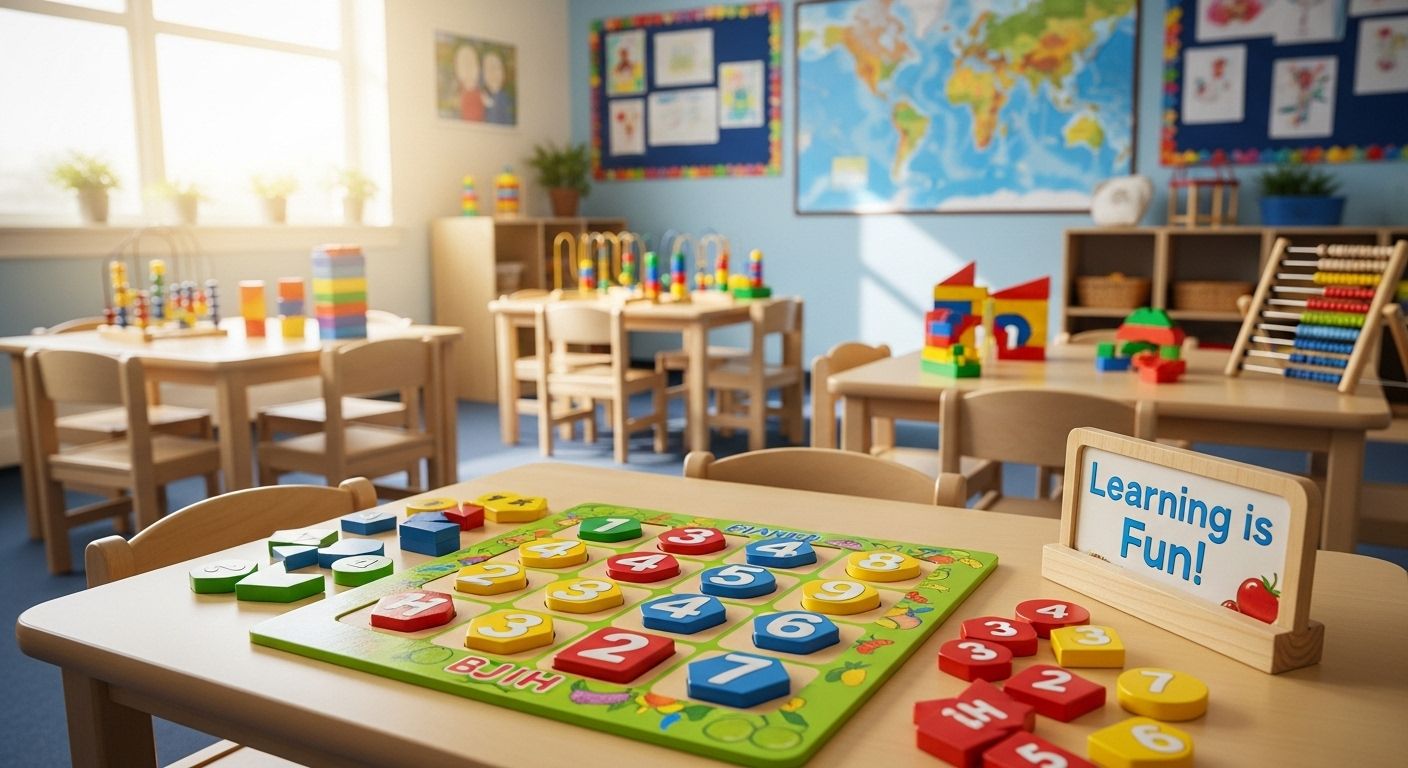
Can Board Games Be Secret Brain Boosters?
Hell yeah. Forget old-school roll-and-move snoozefests. Modern board games for six-year-olds are stealthy geniuses. Zingo! builds vocabulary faster than flashcards. Rush Hour Jr. teaches spatial reasoning through traffic jams. And cooperative games like Hoot Owl Hoot!? They nurture teamwork without the meltdown of competition. Plus, family game night = zero screens, full attention. That’s not just play—that’s connection wrapped in cardboard.
Should You Care If Toys Are Made From Wood or Plastic?
When you’re droppin’ $20–$50 USD on educational toys for six year olds, material matters. Wooden toys last longer, feel warmer in little hands, and don’t scream “landfill” after three uses. They also tend to be simpler—no flashing lights, no robotic voice sayin’ “Great job!” every 10 seconds. That simplicity? It leaves room for imagination. A wooden block can be a phone, a spaceship, or a sandwich—depending on the plot twist. Plastic has its place (hello, bath toys), but for core learning tools? Go natural.
How Do You Spot a Toy That’s Truly Age-Appropriate?
Ignore the box label—it’s often a guess. Instead, look for educational toys for six year olds that offer layered challenges. A good sign? The instructions say “There’s no wrong way.” Also, check if it supports emerging skills: reading simple words, counting past 20, understanding cause-and-effect. Avoid toys that do all the work for them (we see you, talking quiz robots). At six, they want to *figure it out*—not be told the answer before they’ve even asked the question.
What’s the ROI on “Expensive” Educational Toys?
Think long-term. A $35 wooden balance scale might seem steep ‘til you realize it’s used daily for math, science, *and* pretend grocery store for two years straight. Compare that to a $15 electronic toy that dies when the batteries leak (again). The best educational toys for six year olds are durable, versatile, and grow with the child. They’re not purchases—they’re investments in curiosity. And if they’re beautiful enough to display? Bonus points for your sanity.
Where Can You Find the Good Stuff Without Wasting Time or Cash?
Skip the big-box toy aisles full of noise machines disguised as learning tools. Go straight to curators who test rigorously and care about development. Start at The Green Bean Goods for handpicked picks that blend beauty, function, and real educational value. Dive deeper in the Educational category to filter by skill, age, or play style. And if you’re huntin’ deals without sacrificing quality, don’t miss the Target Learning Toys Steal Deals guide—it’s packed with budget-friendly gems that don’t skimp on smarts.
Frequently Asked Questions
What toys help 6 year olds learn?
Toys that blend play with problem-solving—like word-building games, logic puzzles, open-ended construction sets, and cooperative board games—are ideal educational toys for six year olds. They support literacy, numeracy, fine motor skills, and social-emotional growth without feeling like “school.”
What do 6 year olds like to play with?
Six-year-olds crave agency and creativity. They love educational toys for six year olds that let them build, invent, tell stories, or experiment—whether it’s a DIY science kit, magnetic tiles, or a puppet theater. The more they can control the narrative, the longer they’ll engage.
What toys do ADHD kids like?
Kids with ADHD often prefer educational toys for six year olds that are tactile, kinetic, and open-ended—like marble runs, fidget-friendly building sets, or movement-based coding games. These toys provide sensory input while encouraging focus through hands-on exploration.
What is the 20 toy rule?
The 20 toy rule limits a child’s active toys to 20 at a time to reduce overwhelm and boost imaginative play. When applied to educational toys for six year olds, it encourages intentional selection of high-quality, multi-skill toys that truly engage the child’s mind and hands.
References
- https://www.zerotothree.org/resources/series/play-and-learning
- https://www.naeyc.org/resources/topics/play
- https://www.cdc.gov/ncbddd/adhd/facts.html
- https://www.apa.org/topics/child-development/toy-selection