Best Learning Toys for Infants: Secrets
- 1.
What Makes a Toy Truly “Best” for Infant Development?
- 2.
Brain Gains Start Early—So Do Your Toy Choices
- 3.
Why Simplicity Slaps Harder Than High-Tech Gadgets
- 4.
Timing Is Everything: Matching Toys to Milestones
- 5.
Top Picks That Parents (and Babies) Actually Love
- 6.
Montessori vs. Traditional: Does Philosophy Matter?
- 7.
Safety First, Always—Even If It’s “Just a Toy”
- 8.
Budget-Friendly Gems That Punch Above Their Weight
- 9.
When Less Is More: Curating a Minimalist Toy Rotation
- 10.
Where to Find Trusted Recommendations (and Avoid the Hype)
Table of Contents
best learning toys for infants
What Makes a Toy Truly “Best” for Infant Development?
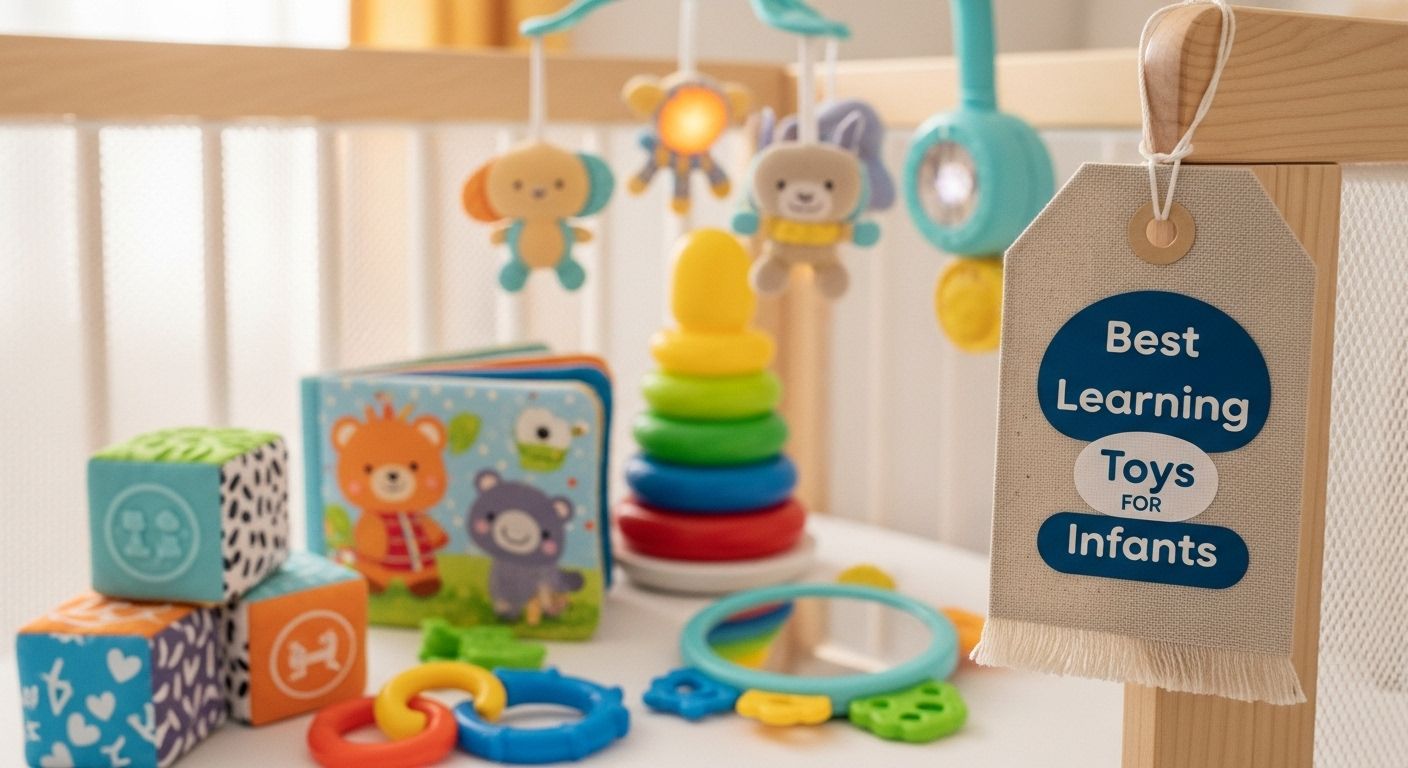
Ever watched a baby go absolutely bonkers over a crinkly receipt while ignoring that $40 “developmental genius” toy you bought? Yeah, we’ve all been there. But here’s the tea: the best learning toys for infants aren’t just flashy or loud—they’re the ones that spark curiosity, invite touch, and grow *with* your little one. Think texture, sound, contrast, and simplicity. Overstimulation? Nah. We want calm chaos, not sensory overload. The best learning toys for infants should feel like a gentle whisper to their brain, not a megaphone at a rock concert.
Brain Gains Start Early—So Do Your Toy Choices
Y’all ever wonder why some babies seem to “get it” faster than others? Spoiler: it ain’t magic—it’s neural wiring, and the right best learning toys for infants can seriously boost that process. From birth to 12 months, an infant’s brain forms over a million neural connections *per second*. Wild, right? So when we talk about best learning toys for infants for brain development, we’re really talking about tools that encourage cause-and-effect play, visual tracking, and fine motor fiddling. Think rattles that respond to shakes, mirrors that teach self-recognition, or soft blocks that beg to be stacked (and knocked over—again and again).
Why Simplicity Slaps Harder Than High-Tech Gadgets
Let’s keep it 100: that app-connected, Bluetooth-enabled, AI-powered “smart” crib mobile? Probably more for you than your baby. Real talk—the best learning toys for infants are often low-tech, open-ended, and made of natural materials. Wood, organic cotton, silicone—these textures tell stories your baby’s fingers wanna hear. And don’t sleep on silence. A quiet toy that invites exploration > a noisy one that does all the work. Remember, the goal isn’t to entertain—it’s to engage. And engagement? That’s where the best learning toys for infants earn their keep.
Timing Is Everything: Matching Toys to Milestones
Not all months are created equal in babyland. What wows a 2-month-old (hello, high-contrast black-and-white cards) might bore a 6-month-old who’s already practicing her pincer grasp. That’s why the best learning toys for infants gotta align with developmental windows. Rolling? Reaching? Babbling? Each phase calls for different play prompts. For instance, around 4–6 months, babies start grabbing intentionally—so teethers with textured grips or fabric books with flaps become gold. Miss the window? Nah, but syncing your toy stash with their growth spurt? Chef’s kiss. That’s how you make the best learning toys for infants actually *work*.
Top Picks That Parents (and Babies) Actually Love
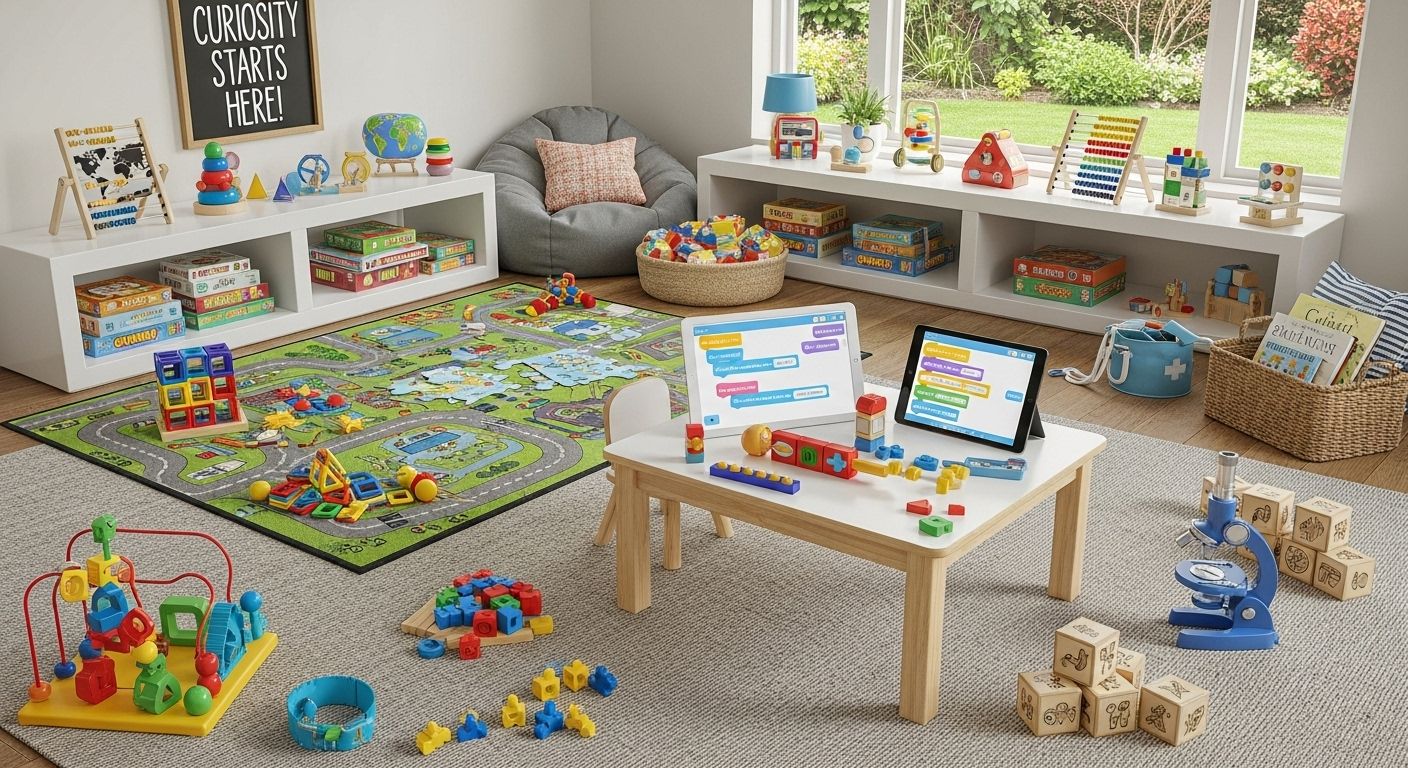
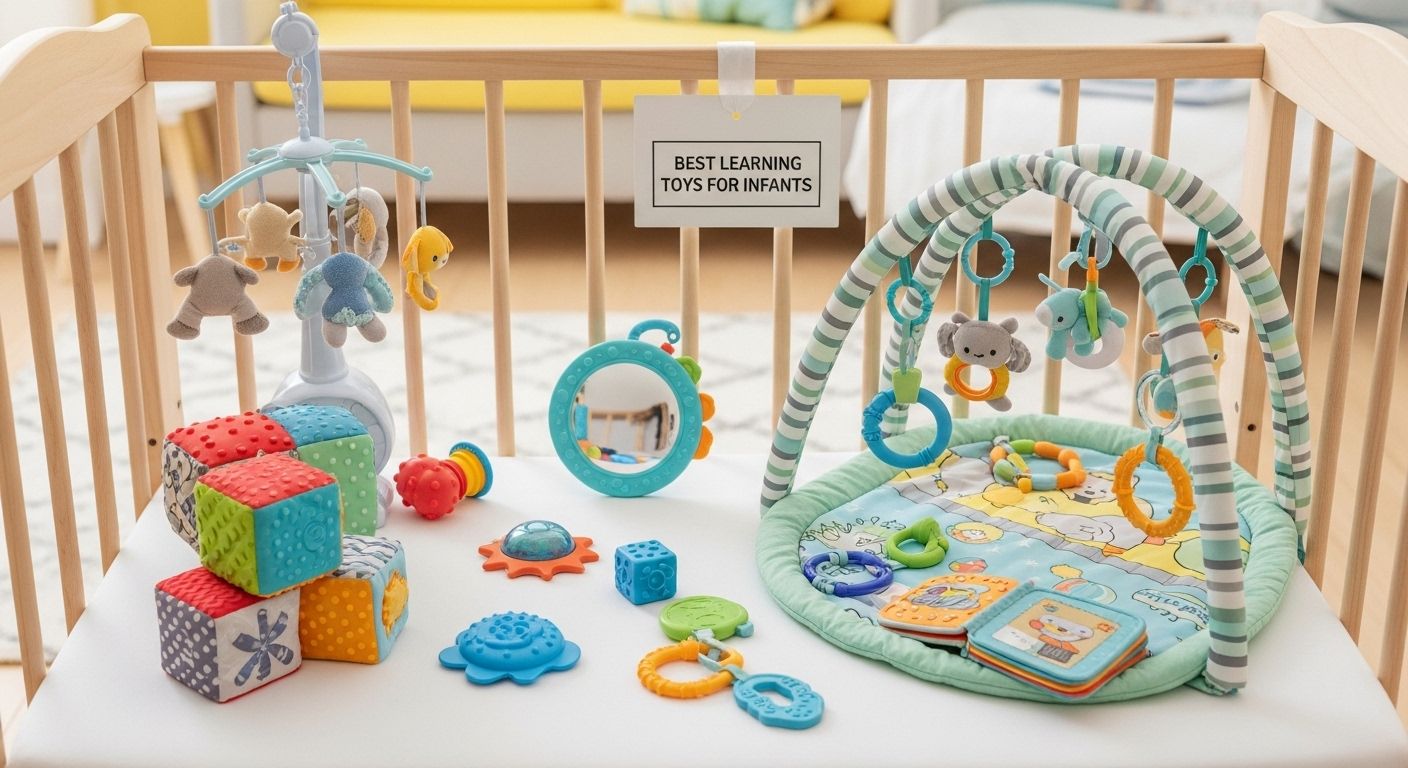
We scoured nurseries, pediatric OT recs, and real parent reviews to round up the best learning toys for infants that don’t just collect dust. Spoiler: they’re affordable, durable, and—dare we say—kinda cute. From Montessori-inspired rattles to sensory balls with unpredictable bounces, these picks balance fun and function without breaking the bank (most under $25 USD!). And hey, if it survives a drool tsunami and still looks decent? Bonus points.
Montessori vs. Traditional: Does Philosophy Matter?
Okay, real talk—does slapping “Montessori-approved” on a teether make it better? Not always. But the core idea behind Montessori toys—simple, purposeful, child-led—absolutely jives with what science says about the best learning toys for infants. Unlike battery-operated toys that flash and sing whether baby interacts or not, Montessori-style toys require action to create reaction. Shake = sound. Push = roll. That feedback loop? Critical for cognitive growth. So while you don’t need to go full Waldorf nursery, leaning into intentional design definitely elevates your best learning toys for infants game.
Safety First, Always—Even If It’s “Just a Toy”
Listen up, fam: if it’s going in that tiny mouth (and trust us, it will), it better be non-toxic, BPA-free, and choke-test certified. The best learning toys for infants meet ASTM F963 and CPSIA standards—no exceptions. Also, skip anything with small detachable parts before 12 months. And please, for the love of naptime, avoid those sketchy no-name brands on mega-marketplaces. Stick to trusted makers who publish material safety data. Because nothing kills joy faster than a midnight ER run ’cause Junior swallowed a glitter bead. Keep it clean, keep it safe—that’s the foundation of every legit best learning toys for infants list.
Budget-Friendly Gems That Punch Above Their Weight
You don’t need to drop $100 USD on a “learning system” to give your babe a leg up. Some of the best learning toys for infants cost less than your weekly coffee run. Think: a set of wooden rings ($12), a crinkle cloth book ($8), or even a DIY sensory bottle filled with rice and beads (free, if you got pantry scraps). Value isn’t about price—it’s about replayability. Can it be chewed, tossed, stacked, hugged, and rediscovered next month? Then it’s worth its weight in gold. And hey, gently used? Totally fine—as long as it’s sanitized and structurally sound. Smart spending is part of smart parenting when hunting for the best learning toys for infants.
When Less Is More: Curating a Minimalist Toy Rotation
Overwhelmed by plastic clutter? Same. Research shows babies actually play *deeper* and *longer* when they have fewer toys in rotation. Try this: pick 5–7 of the best learning toys for infants that cover different skills (grasping, auditory, visual, tactile), stash the rest, and swap every 2 weeks. Watch how your little one rediscovers “old” toys like they’re brand new. This isn’t just tidy—it’s neurologically savvy. Fewer distractions = richer focus. And that’s the secret sauce behind truly effective best learning toys for infants: not quantity, but quality of attention.
Where to Find Trusted Recommendations (and Avoid the Hype)
Scrolling TikTok for toy recs? Cute—but risky. Instead, lean on sources that blend science + real-life testing. Pediatric occupational therapists, early childhood educators, and evidence-based parenting blogs? Gold. And hey, if you’re already deep in the baby gear rabbit hole, swing by The Green Bean Goods for curated picks that skip the fluff. Or browse our Baby category for age-sorted gems. And if you’re still wondering what to grab for day-one newborns, peep our deep dive on best educational toys for newborns revealed. No sponsored junk—just honest takes on what actually works for the best learning toys for infants.
Frequently Asked Questions
What toys are best for infant development?
The best learning toys for infants for overall development include high-contrast visual cards for newborns, soft rattles for grasping practice, textured teethers for oral exploration, and unbreakable mirrors for self-recognition. These simple tools support sensory, motor, and cognitive milestones without overwhelming little ones.
What toys are best for brain development?
Toys that encourage cause-and-effect, problem-solving, and sensory input rank highest for brain development. Examples of the best learning toys for infants in this category include stacking rings, object permanence boxes, and musical instruments like soft drums or shakers—each inviting active participation rather than passive watching.
Which toy would be developmentally appropriate for a 6 month old infant?
At 6 months, babies are sitting (with support), reaching intentionally, and exploring with their mouths. Ideal best learning toys for infants at this stage include soft blocks, crinkle books, activity gyms with dangling toys, and teething rings with varied textures—all designed to support fine motor skills and sensory curiosity.
What are the best educational toys?
The best learning toys for infants that double as educational tools are those rooted in open-ended play: wooden grasp toys, fabric shape sorters, and sensory balls. They don’t “teach” letters or numbers but instead build foundational skills like hand-eye coordination, spatial awareness, and emotional regulation—cornerstones of lifelong learning.
References
- https://www.cdc.gov/ncbddd/actearly/milestones/index.html
- https://www.zerotothree.org/resources/series/early-learning
- https://www.healthychildren.org/English/ages-stages/baby/Pages/Choosing-Toys-for-Your-Baby.aspx
- https://www.ncbi.nlm.nih.gov/pmc/articles/PMC5934244/