Best Educational Toys for Newborns Revealed
- 1.
Wait—Do Newborns Even *Need* Toys?
- 2.
Why “Educational” Doesn’t Mean “Electronic” (Seriously, Put That Down)
- 3.
Black, White, and Red All Over—Because Baby’s Eyes Are Still Bootin’ Up
- 4.
Textures, Tinkles, and Tiny Fists: Sensory Play Starts Day One
- 5.
Can 3-Month-Old Babies Play with Toys? Heck Yeah—But Not Like You Think
- 6.
What Should I Teach My Baby at 3 Months? Spoiler: It’s Not ABCs
- 7.
What Are Three Toys That Are Developmentally Appropriate for Infants? Here’s the Holy Trinity
- 8.
Price Tag Panic? Nah—Learning Don’t Cost a Fortune
- 9.
What Are the Best Toys for Newborns? It’s About Safety + Stimulation Balance
- 10.
Where to Find the Best Educational Toys for Newborns Without Losing Your Mind
Table of Contents
best educational toys for newborns
Wait—Do Newborns Even *Need* Toys?
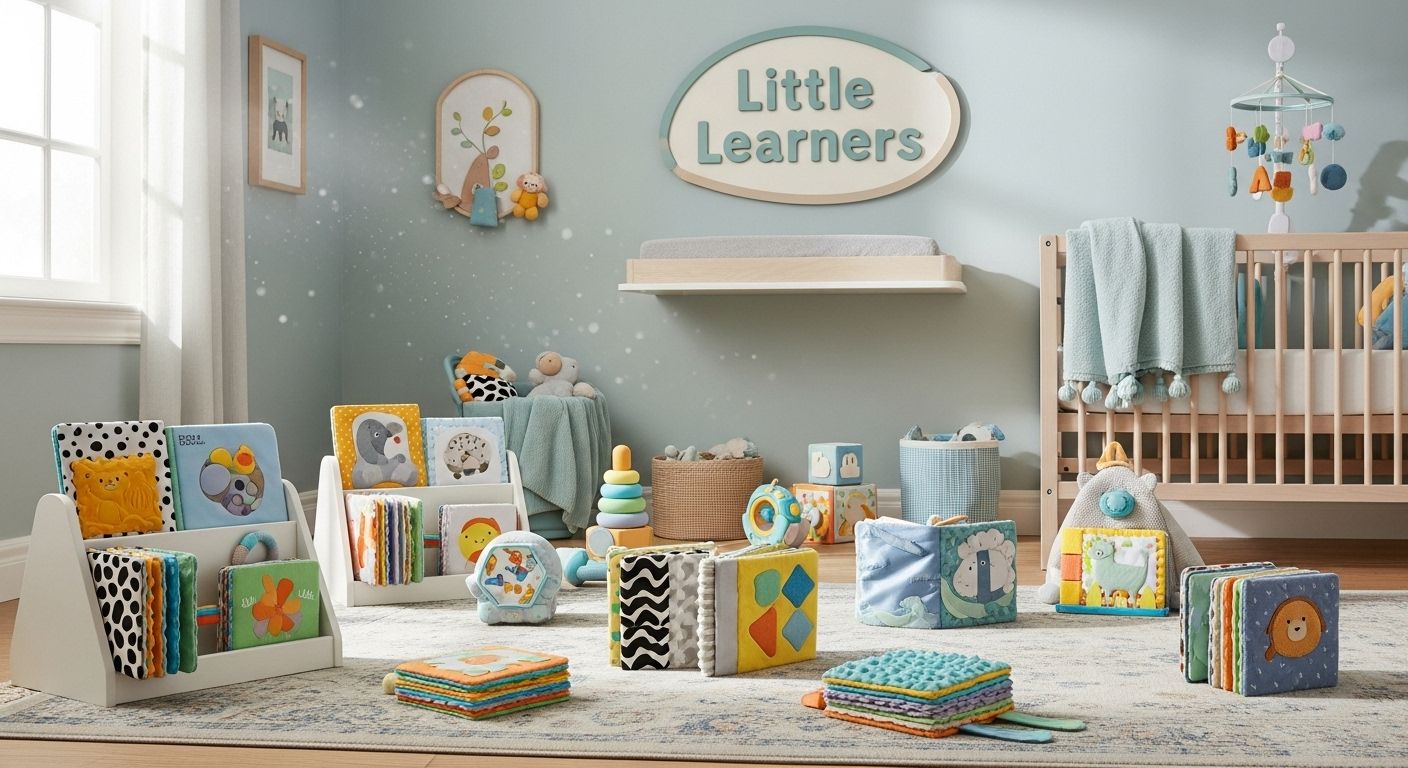
Ever caught yourself wonderin’ if your lil’ dumplin’ even notices that $35 “smart” rattle you bought ‘em? Spoiler: they don’t care—but not ‘cause they’re ungrateful. Newborns are basically tiny scientists in footie pajamas, and their whole world is built on contrast, sound, touch, and your face. So when we talk about the best educational toys for newborns, we ain’t talkin’ flashy gadgets—we mean tools that gently nudge their senses awake without sendin’ ‘em into meltdown mode. Think soft crinkle squares, high-contrast cards, or a dangly black-and-white butterfly above the crib. Keep it simple, keep it safe, and for heaven’s sake—skip the battery-operated circus. Baby’s brain’s already doin’ backflips just tryna figure out why your voice sounds like warm milk.
Why “Educational” Doesn’t Mean “Electronic” (Seriously, Put That Down)
Here’s a hot take hotter than your third cup o’ coffee at 2 a.m.: the best educational toys for newborns got zero circuits, no blinking LEDs, and definitely no auto-play lullabies that sound like a robot sneezin’. Real learning at this stage? It’s tactile, visual, and relational. A study from Zero to Three found that passive screen exposure or overstimulating toys can actually *delay* language and attention development. Meanwhile, a plain cotton teether with nubby textures? That’s gold. It teaches cause-and-effect (“I chew → feels good”), builds oral motor skills, and won’t blare “Baby Shark” at midnight. So yeah—ditch the noise. Embrace the quiet. And remember: if it needs a firmware update, it’s not for a newborn.
Black, White, and Red All Over—Because Baby’s Eyes Are Still Bootin’ Up
Newborn vision’s fuzzy as a dream after three margaritas—sharp only within 8–12 inches, and color-blind beyond bold contrasts. That’s why the best educational toys for newborns rock monochrome palettes like they’re straight outta a film noir. Black-and-white stripes, checkerboards, or red accents pop against blurry backgrounds, giving baby’s optic nerves a workout. Hang a high-contrast mobile? Genius. Flash a card with zigzags during tummy time? Chef’s kiss. These visuals aren’t just cute—they’re neural fertilizer. Pro tip: swap out patterns every few days. Repetition’s good, but novelty keeps those synapses sparkin’.
Textures, Tinkles, and Tiny Fists: Sensory Play Starts Day One
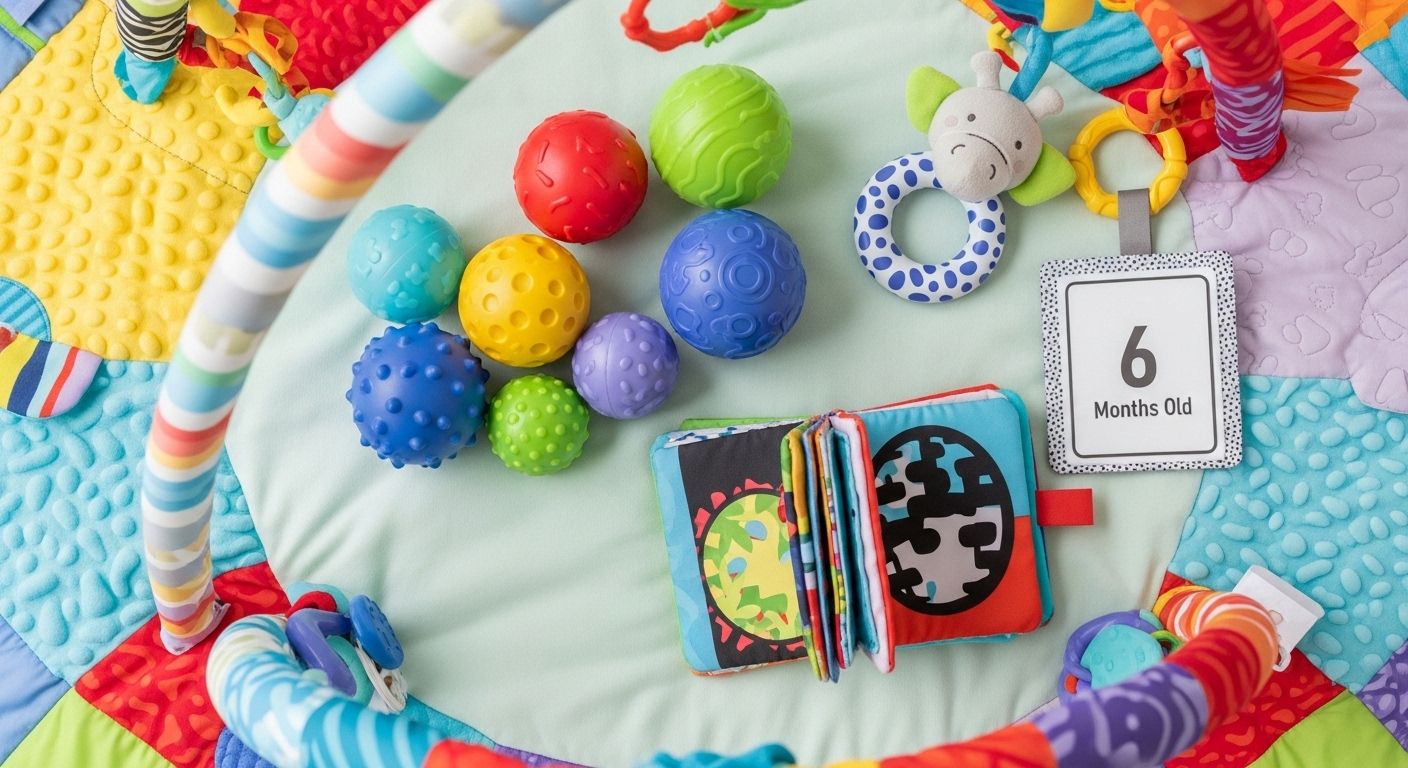
While baby’s eyes are still catchin’ up, their hands and mouth? Wide awake. That’s why the best educational toys for newborns come in a symphony of feels: feathery fleece, bumpy silicone, crinkly fabric, smooth beechwood. Each rub, gnaw, and squeeze teaches something new about pressure, temperature, and shape. And sound? Gentle rattles or soft chimes (not ear-splitting jingles!) help link action to outcome: “I shook it → noise happened.” Bonus: textured teethers double as gum soothers once those first molars start knockin’. Just make sure everything’s non-toxic, BPA-free, and dishwasher-safe—‘cause let’s be real, it’s gonna live on the floor half the time.
Can 3-Month-Old Babies Play with Toys? Heck Yeah—But Not Like You Think
By three months, baby’s neck muscles are flexin’, eyes track smoother, and they’re reachin’ with purpose—not just flailin’ like a windsock in a hurricane. So yes, 3-month-olds *can* play with toys… sorta. The best educational toys for newborns at this stage are lightweight grasp toys, soft mirrors, and activity gyms with dangly critters just outta reach. They won’t “play” like a toddler—but they’ll swat, kick, stare, and drool with intention. And that’s the whole point! Every wobbly grab builds hand-eye coordination. Every coo at their reflection boosts self-awareness. Keep sessions short (3–5 minutes), always supervise, and never force it. If they turn away? Game over. Respect the veto. 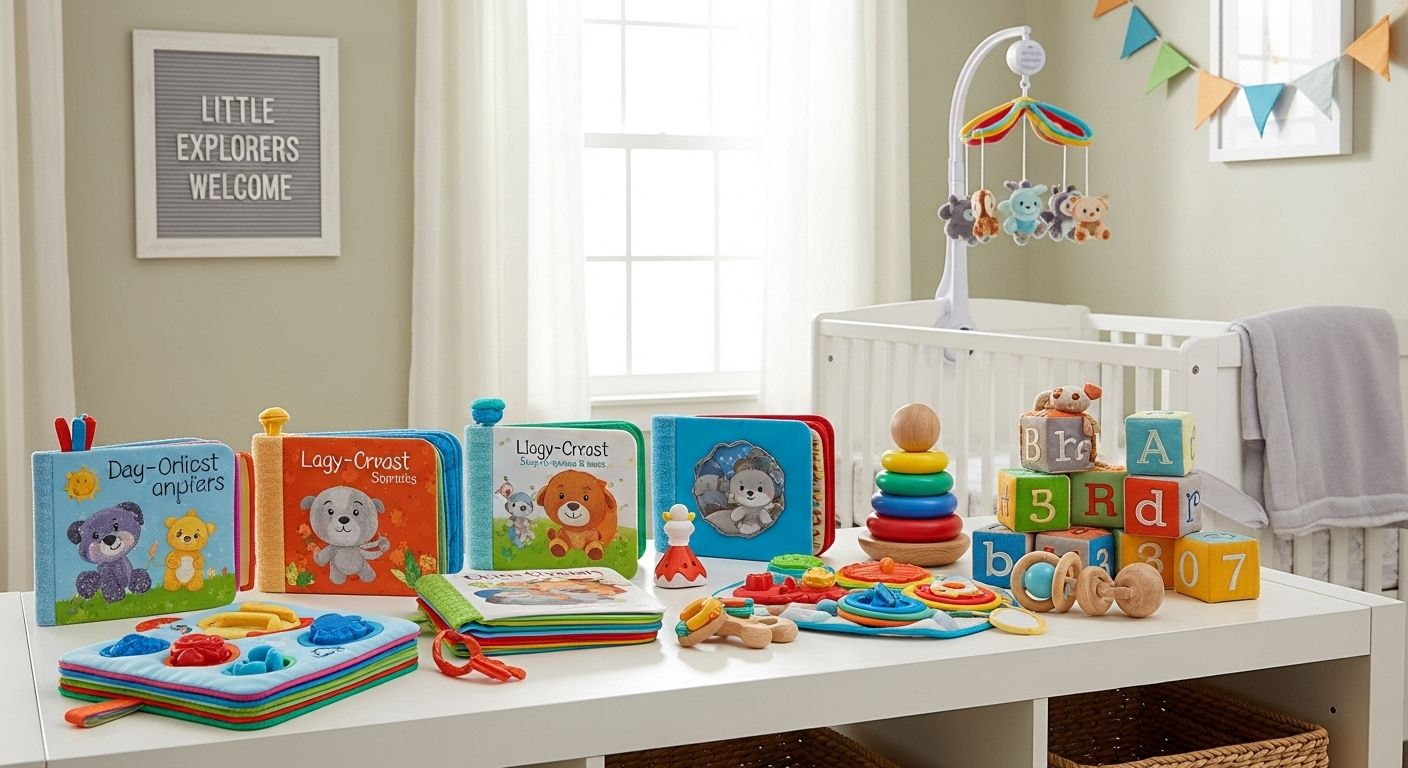
What Should I Teach My Baby at 3 Months? Spoiler: It’s Not ABCs
At three months, “teaching” ain’t flashcards or phonics—it’s presence. The best educational toys for newborns become props in your shared story. Narrate what you’re doing: “Look! Red dot!” Shake a rattle and say “Boom!” Lay ‘em on a playmat and cheer their kicks like they’re Olympic athletes. This co-engagement builds language, emotional security, and joint attention—the holy trinity of early cognition. And don’t underestimate mirror play: grinning at their own face teaches social recognition faster than any app. So put the phone down, get on the floor, and let your goofy expressions do the heavy lifting. Real education happens in the messy, unplugged moments between feedings.
What Are Three Toys That Are Developmentally Appropriate for Infants? Here’s the Holy Trinity
Alright, cut through the noise—here are three no-nonsense picks that earn their shelf space:
- High-Contrast Visual Cards: Stimulate optic nerve growth; usable from day one.
- Organic Cotton Crinkle Toy: Engages touch and hearing; doubles as a lovey.
- Soft Silicone Teether with Textured Grips: Soothes gums + encourages palmar grasp.
Price Tag Panic? Nah—Learning Don’t Cost a Fortune
Let’s bust a myth: the best educational toys for newborns don’t need a price tag that makes you gasp. Some of the most effective “toys” cost under $10—or nothing at all. A rolled-up burp cloth becomes a peek-a-boo puppet. A wooden spoon (supervised!) turns into a drumstick. Your face? Still the MVP. Research shows responsive interaction—eye contact, babbling back, mirroring smiles—builds stronger neural pathways than any $50 “smart” rattle. Save your cash for diapers, folks. Real development thrives in simplicity, not subscription boxes. And hey—if you thrift a soft plush or knit a lovey? Even better. Soul > sensors.
What Are the Best Toys for Newborns? It’s About Safety + Stimulation Balance
When curatin’ the best educational toys for newborns, safety ain’t optional—it’s non-negotiable. Skip anything with small parts, loose buttons, or mystery stuffing. Avoid strong chemical smells (if it reeks like a lab, bin it). Prioritize materials like GOTS-certified cotton, food-grade silicone, or unfinished wood. And size matters: toys should be big enough to not fit through a toilet paper tube (choking hazard test, y’all). But don’t swing too far into sterile minimalism—baby needs sensory variety to thrive. The sweet spot? Toys that are safe *and* stimulating: washable, textured, visually clear, and emotionally engaging when used with you. Because solo play? Not really a thing yet.
Where to Find the Best Educational Toys for Newborns Without Losing Your Mind
Shopping for newborn gear can feel like decoding ancient hieroglyphics—so many “must-haves,” so much fake hype. Chill. Start with sources that vet for safety, simplicity, and real-world use. For thoughtfully curated picks that actually work, swing by The Green Bean Goods. Love browsing by age and stage? Dive into the Baby section for expert-sorted essentials. And if you’re peekin’ ahead to what comes after newborn phase, don’t miss this deep-dive: Learning Toys for 6-Month-Old: Genius Starts. No fluff, no filler—just honest recs that won’t clutter your nursery or your peace of mind.
Frequently Asked Questions
What are the best toys for newborns?
The best toys for newborns are simple, safe, and sensory-focused—such as high-contrast cards, soft crinkle fabrics, organic teethers, and unbreakable mirrors. These support visual development, tactile exploration, and early motor skills without overwhelming their delicate nervous systems, making them ideal as the best educational toys for newborns.
What are three toys that are developmentally appropriate for infants?
Three developmentally appropriate toys for infants include high-contrast visual cards (for optic nerve stimulation), soft textured grasp toys (to encourage palmar reflex and hand-eye coordination), and gentle rattles or crinkle toys (to link sound with movement). These align with early milestones and form the core of the best educational toys for newborns.
What should I teach my baby at 3 months?
At 3 months, focus on responsive interaction—not formal lessons. Use the best educational toys for newborns as conversation starters: narrate colors, mimic coos, and celebrate their reaches. This builds language, emotional security, and joint attention, laying the foundation for lifelong learning through loving engagement.
Can 3 month old babies play with toys?
Yes—though “play” at 3 months means swatting, staring, kicking, and mouthing. With adult supervision, 3-month-olds benefit from lightweight grasp toys, soft mirrors, and activity gyms. These experiences, supported by the best educational toys for newborns, foster motor control, visual tracking, and cause-effect understanding.
References
- https://www.cdc.gov/ncbddd/actearly/milestones/index.html
- https://www.zerotothree.org/resources/series/early-learning-and-play
- https://www.aap.org/en-us/about-the-aap/aap-press-room/pages/Selecting-Appropriate-Toys-for-Young-Children-in-the-Digital-Era.aspx
- https://www.healthychildren.org/English/ages-stages/baby/Pages/Choosing-Toys-for-Your-Baby.aspx