Good Toys for Preschoolers: Top Choices
- 1.
Why Preschool Play Is Basically Brain Bootcamp
- 2.
What “Educational” Really Means in the Preschool Years
- 3.
Top Skills Blossoming Like Spring Daisies Right Now
- 4.
Plastic, Wood, or Fabric—Which Material Holds Up?
- 5.
Our All-Time Favorites That Actually Get Played With (Not Just Photographed)
- 6.
How Much Should You Spend Without Breaking the Piggy Bank?
- 7.
Red Flags Even on “Award-Winning” Boxes
- 8.
Real Parent Confessions: What Actually Survived the Preschool Gauntlet
- 9.
Screen Time vs. Hands-On Play: Finding the Sweet Spot
- 10.
Where to Find the Good Stuff Without Wasting Cash or Time
Table of Contents
good toys for preschoolers
Why Preschool Play Is Basically Brain Bootcamp
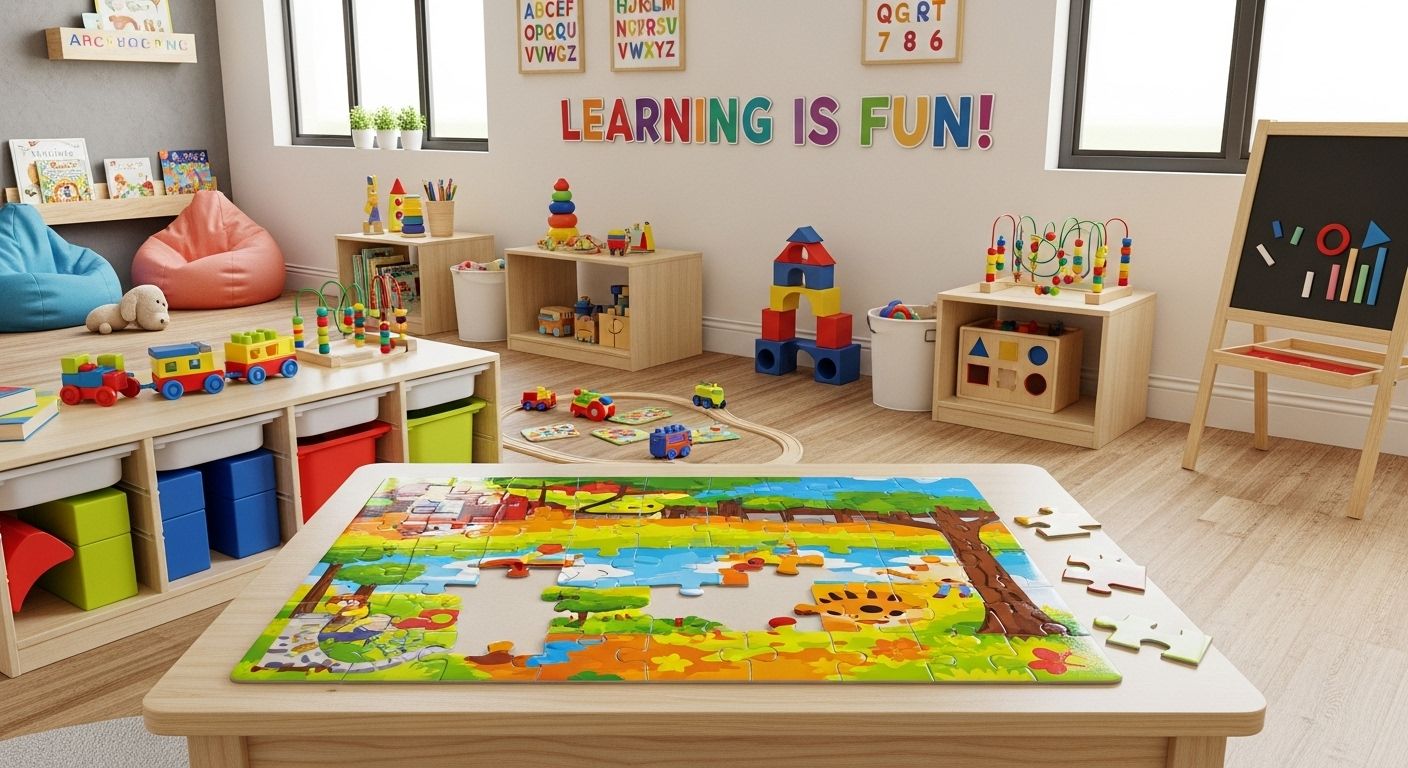
Ever watched a four-year-old turn a cardboard box into a rocket, a spatula into a microphone, and your laundry basket into a dragon’s lair? Yeah, that ain’t just cute—it’s *cognitive calisthenics*. At this age, preschoolers are tiny philosophers, engineers, and negotiators rolled into one sticky-fingered package. That’s why the good toys for preschoolers we pick gotta do more than look pretty on a shelf—they gotta invite storytelling, problem-solving, and wild, unscripted imagination. Because honestly? The best classroom for a preschooler smells like crayons, sounds like giggles, and occasionally doubles as a snack zone.
What “Educational” Really Means in the Preschool Years
Let’s cut the jargon: “educational” don’t mean flashcards or apps that quiz ‘em like it’s Jeopardy. Nah. Real learning for preschoolers happens through *doing*—building, pretending, sorting, and even arguing over who gets to be the cashier at the play grocery store. The most effective good toys for preschoolers are open-ended, meaning they can be used a hundred different ways depending on the kid’s mood (or how much sugar they’ve had). Think wooden blocks, dress-up trunks, or art kits that let ‘em finger-paint their way to emotional expression.
Top Skills Blossoming Like Spring Daisies Right Now
Between ages 3 and 5, little humans are leveling up hard: stringing full sentences, counting past ten (sometimes correctly), sharing (okay, *attempting* to share), and understanding that rules exist—even if they choose to ignore ‘em. That’s why the good toys for preschoolers that hit hardest support language development, early math logic, fine motor control, and social-emotional growth. A simple set of pattern tiles teaches sequencing; a puppet theater builds empathy and narrative skills. It’s not about “getting it right”—it’s about exploring what “right” even means.
Plastic, Wood, or Fabric—Which Material Holds Up?
If it ain’t survived a juice spill, a tantrum, and a trip through the washing machine, it ain’t preschool-ready. When choosing good toys for preschoolers, durability and safety are non-negotiables. Solid wood? Timeless, splinter-free, and ages like fine wine. Food-grade silicone or BPA-free plastic? Great for bath time letters or outdoor water tables. And soft fabrics? Perfect for dolls that double as naptime buddies. Skip anything with flimsy parts or paint that chips faster than your resolve to meal prep. Bonus points if it’s eco-friendly—because these kids’ll inherit the planet, y’know?
Our All-Time Favorites That Actually Get Played With (Not Just Photographed)
We’ve tested dozens—some got ghosted by Tuesday, others became bedtime legends. The keepers? Toys that grow *with* the child. Like a magnetic drawing board that starts as scribble practice and ends up as a grocery list for pretend dinner. Or a balance bike that evolves from wobbly rides to neighborhood patrols. These picks aren’t just trendy; they’re timeless because they respect a preschooler’s need for both structure and chaos. And if it survives sticky hands *and* sparks 30 minutes of independent play? You’ve struck gold, baby.
How Much Should You Spend Without Breaking the Piggy Bank?
Look, we get it—parentin’ ain’t cheap. But you don’t need to drop $75 USD on a “smart” tablet that’ll collect dust by summer. Most good toys for preschoolers land sweetly between $20–$45 USD. Why? Because versatility beats tech every time. A $28 wooden train set teaches engineering *and* storytelling. A $32 art easel fuels creativity *and* fine motor skills. Skip the single-use gimmicks. Invest in pieces that adapt—because your kid’s interests shift faster than TikTok trends.
Red Flags Even on “Award-Winning” Boxes
Just ‘cause it’s got a shiny sticker don’t mean it’s worth your shelf space. Watch out for toys that do *all* the thinking—like auto-reading books or apps that replace human interaction. Real good toys for preschoolers invite participation, not passive watching. Also, check for small parts (even if labeled “3+”), excessive noise, or materials that smell like a chemistry lab. And if the toy requires Wi-Fi to function? Might wanna think twice—your preschooler’s brain thrives on real-world feedback, not buffering icons.
Real Parent Confessions: What Actually Survived the Preschool Gauntlet
“I bought this $50 robot that sings the alphabet… my kid used it as a step stool to reach the cookie jar.” Sound familiar? We asked real caregivers, and the verdict’s clear: the good toys for preschoolers that last are often the simplest. One mom swore by a $24 felt pizza kit that taught fractions (“half pepperoni, half mushroom!”). A dad raved about a backyard bug viewer that turned sidewalk cracks into safari zones. Turns out, wonder costs less than you think—and pays dividends in curiosity.
Screen Time vs. Hands-On Play: Finding the Sweet Spot
Yeah, sometimes you need 20 minutes of peace while Bluey handles bedtime negotiations. But research shows tactile, imaginative play builds stronger neural pathways than any app. The best good toys for preschoolers offer sensory depth: the *clack* of dominoes, the squish of kinetic sand, the wobble of a balance beam. Swap one episode for a DIY cardboard city or a nature scavenger hunt. Your kid’s focus, creativity, and emotional regulation will thank you—and so will your sanity.
Where to Find the Good Stuff Without Wasting Cash or Time
Before you drown in Amazon reviews, head to spots that actually test toys with real kids (who have zero patience for boring junk). Like The Green Bean Goods, where every pick’s vetted by tiny humans with sticky fingers and big opinions. Dive into our Preschool section for age-perfect finds that blend fun and function. And if you’re prepping for kindergarten? Don’t miss our guide to educational gifts for kindergarteners winners—because learning should feel like play, not pressure.
Frequently Asked Questions
What is the best educational toy for a 2 year old?
While this question targets younger toddlers, many foundational toys overlap with early preschool needs. For true preschoolers, the best educational toys include building sets, pretend-play kits, and art supplies—all core examples of good toys for preschoolers that support cognitive and social growth.
What is trendy for kids right now?
Trendy doesn’t always mean timeless—but right now, open-ended, screen-free toys are having a major moment. Think wooden puzzles, sensory bins, and eco-friendly craft kits. These align perfectly with what experts consider good toys for preschoolers because they prioritize imagination over algorithms.
What toys are best for brain development?
Toys that encourage problem-solving, storytelling, and hands-on exploration are best for brain development. Examples include block sets, musical instruments, and role-play costumes—all staples among the good toys for preschoolers that build neural connections through active play.
What are some good educational toys?
Some good educational toys include shape sorters, counting bears, story cubes, and science kits designed for young hands. These are consistently recommended as good toys for preschoolers because they blend learning with joyful, self-directed discovery.
References
- https://www.cdc.gov/ncbddd/actearly/milestones/preschool.html
- https://www.zerotothree.org/resources/series/preschool-development
- https://www.naeyc.org/resources/topics/play/preschool-toys
- https://www.apa.org/topics/child-development/preschool-learning