Early Learning Centre Wooden Toys: Foster Creativity
- 1.
What happened to the early learning centre? The Rise, Stall, and Rebirth of a Legacy Brand
- 2.
Do early learning centres still exist? More Like “Do wooden toys still rule?”
- 3.
What is the wooden activity cube in early learning Centre? The OG Sensory Play MVP
- 4.
The 10 Toy Rule: Minimalism Meets Madness in the Playroom
- 5.
Why Wood Wins: The Science (and Soul) Behind early learning centre wooden toys
- 6.
From ELC to Eco-Conscious: How early learning centre wooden toys Evolved
- 7.
Price vs. Value: Are early learning centre wooden toys Worth the Bucks?
- 8.
Safety First: What to Check Before Buying early learning centre wooden toys
- 9.
Global Picks: Where to Find the Best early learning centre wooden toys in 2025
- 10.
Parent Hacks: Maximizing Play Value from early learning centre wooden toys
Table of Contents
early learning centre wooden toys
What happened to the early learning centre? The Rise, Stall, and Rebirth of a Legacy Brand
Ever had that “where’d it go?!” moment—like when you’re diggin’ through the couch cushions for the TV remote, and bam: it’s vanished into the void? 😅 That’s how a lot of folks felt when the Early Learning Centre (ELC) kinda… blinked outta the high street around 2020–2022. After ping-ponging between The Entertainer and Smyths Toys, physical stores started shutterin’ faster than a Chicago winter window. But here’s the plot twist: the *spirit*? Nah, that didn’t ghost us. In fact, the soul of early learning centre wooden toys—think clean lines, zero plastic pizzazz, and play that *actually* makes little brains light up—never clocked out. These days? You’ll find that same vibe alive and well in spots like The Green Bean Goods, where Montessori meets Midwest practicality and nobody’s sellin’ battery-blasted junk that dies before naptime. Legacy? More like *legend*.
Do early learning centres still exist? More Like “Do wooden toys still rule?”
Okay, real talk: if you’re cruisin’ down Main Street hopin’ to spot an “ELC” sign glowin’ like a neon diner? Might be a dry well. 🏚️ But the *mindset* behind early learning centre wooden toys? Straight-up boomtown. Parents today are over screen zombies and landfill fodder. They want play that *breathes*—stuff made from trees, not Texas-sized oil rigs. And get this: the global wooden toy market’s fixin’ to hit $2.4 billion by 2027—yep, cold hard USD. So while the storefront’s playin’ hide-and-seek, the mission’s louder than a honky-tonk on Saturday night. Swing by our Educational section—no passport needed.
What is the wooden activity cube in early learning Centre? The OG Sensory Play MVP
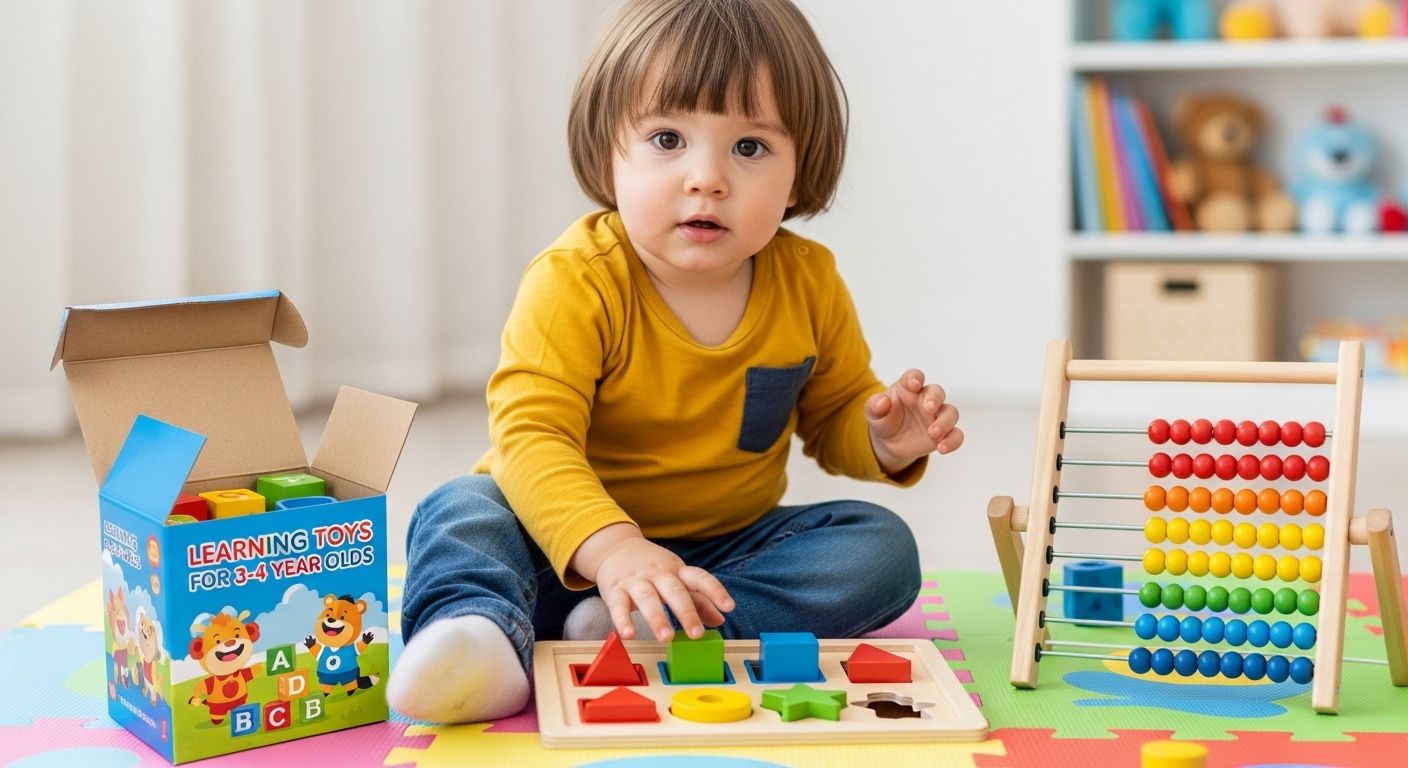
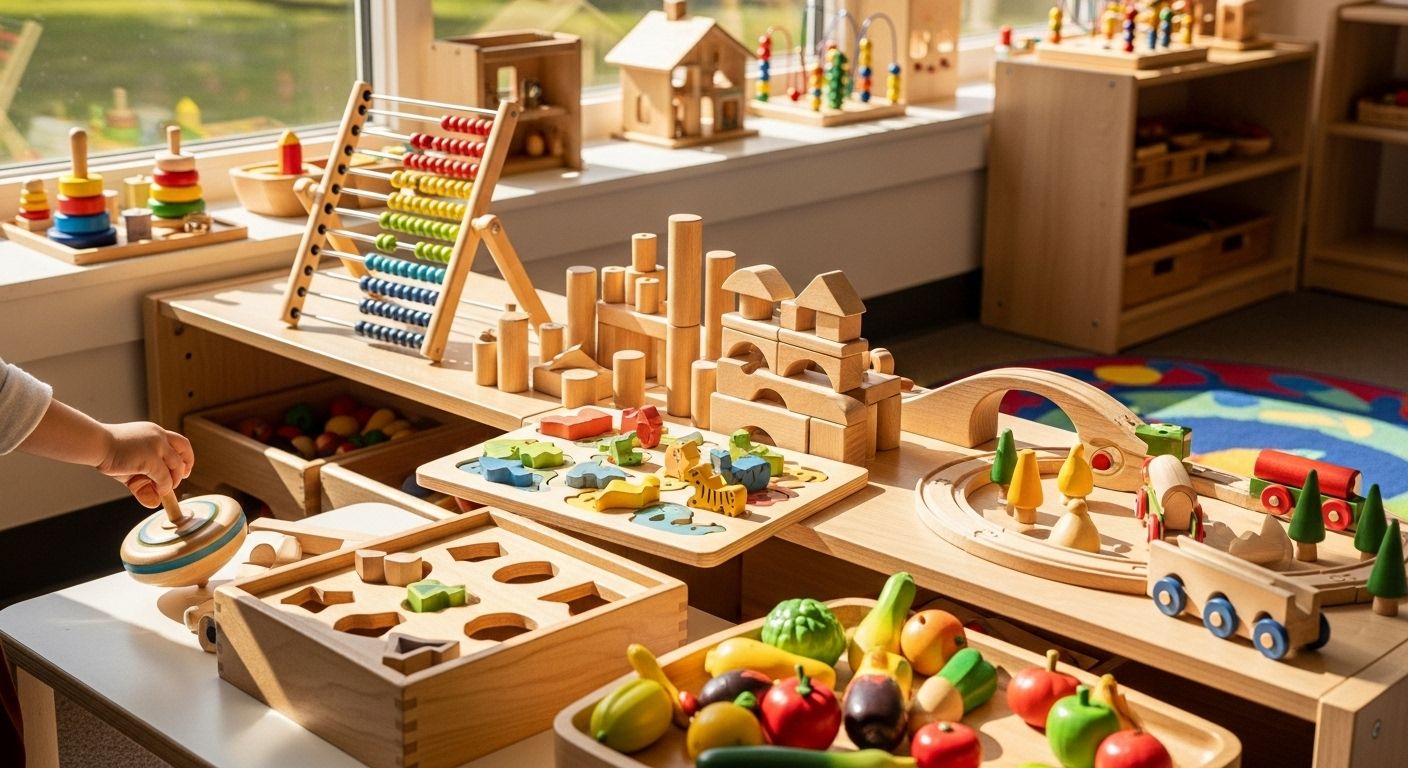
Ah, the wooden activity cube—big, bold, and built like a Vermont barn. You know her: beads on wires (that somehow survive flinging), twisty knobs, secret doors with latches that *almost* drive you bonkers (but hey, fine motor skills, am I right?). In the golden days of early learning centre wooden toys, this cube wasn’t just *a* toy—it was *the* toy. OTs straight-up stan it for kids 12–36 months—hand-eye coordination? Check. Problem-solving? Double-check. Bonus: unlike that plastic keyboard that shrieks “Old MacDonald” at 3 a.m., this bad boy’s quiet as a librarian after coffee. And yep—we’ve got next-gen versions here: FSC-certified wood, water-based paints, and zero guilt when your kiddo licks it. (Again.)
The 10 Toy Rule: Minimalism Meets Madness in the Playroom
Let’s be real—some playrooms look like a tornado did a line dance through a Toys “R” Us clearance aisle. Enter the 10 toy rule: a minimalist flex that says *less junk = more genius*. Inspired by Montessori vibes and that zen Scandinavian energy (you know, the folks who wear sweaters *ironically*), it’s simple: keep only 10 active toys out. Rotate the rest—like swapping crops in Iowa. And who’s always hoggin’ 7 of those 10 slots? You guessed it: early learning centre wooden toys. Why? ‘Cause a maple block ain’t just a block—it’s a phone (hello, pretend call to Grandma), a car (vroom-vroom off the couch cliff), *and* a spaceship (blastoff from the dog’s bed). One early learning centre wooden toy, infinite plotlines. Less chaos, more creativity. Mic drop.
Why Wood Wins: The Science (and Soul) Behind early learning centre wooden toys
Time for some brain candy 🍬. Research shows wood—*actual*, grainy, warm-to-the-touch wood—lowers stress and ramps up focus in little ones. Plastic toys? Often overstimulate with beeps, boops, and seizure-inducing LEDs. But early learning centre wooden toys? They whisper: *“Hey, use your imagination, kiddo.”* No scripts. No autoplay. Just pure, open-ended, neuron-building magic. And get this—toddlers *hug* wooden blocks. Like, full-on snuggle. We’ve seen ‘em—tiny arms wrapped ‘round a beechwood bear like it’s their emotional support lumber. Don’t @ us. It’s documented. (By us. With our phones. While crying-laughing.)
From ELC to Eco-Conscious: How early learning centre wooden toys Evolved
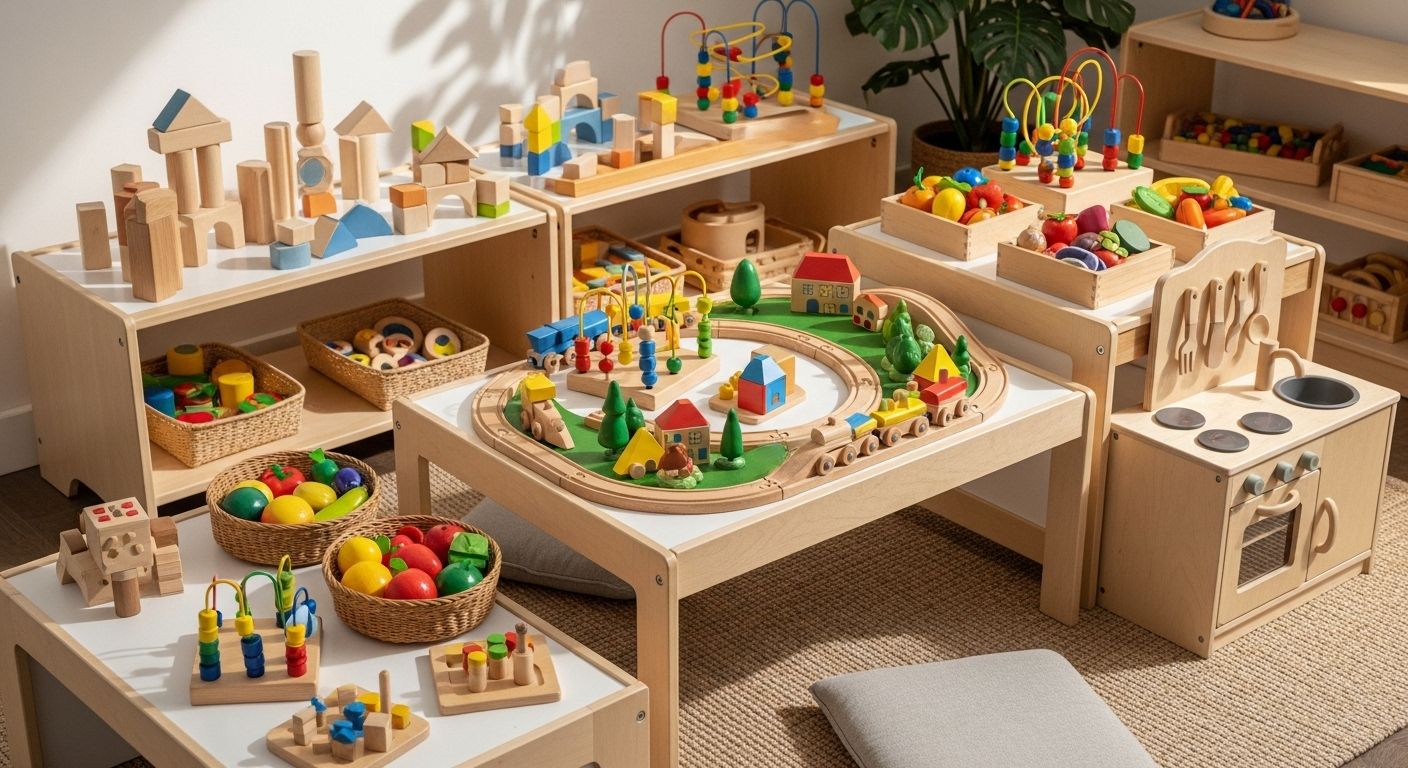
Back in the day? Sure, ELC had *some* plastic—hey, it was the 2000s, glitter was a food group. But the early learning centre wooden toys line? Always the quiet rebel, like that one friend who brings kombucha to tailgates. Fast-forward to 2025, and “eco-friendly” ain’t just a buzzword—it’s the baseline. Modern takes on early learning centre wooden toys use sustainably harvested timber (think Amish-sourced maple, not deforestation drama), non-toxic finishes, and packaging that composts faster than last week’s kale. At spots like ours? We’re not just keepin’ the flame alive—we’re stokin’ it with solar-powered love. ‘Cause saving the planet starts with the toy your toddler yeets at the cat at 5:47 a.m.
Price vs. Value: Are early learning centre wooden toys Worth the Bucks?
Alright, let’s cut to the chase: yeah, a solid early learning centre wooden toy might run $25–$60. Your wallet might gasp louder than a Minnesotan in July heat. But hold up—compare that to a $12 plastic “educational” gizmo that croaks before the warranty expires. Wooden toys? They’re in it for the long haul. Pass ‘em down to cousins, sell ‘em at a Brooklyn flea market for *more* than you paid, or stash ‘em in a cedar chest like family silver. ROI? Astronomical. Plus—bonus round—parents swear their kids play *calmer*, *longer*, and with way fewer meltdowns. So yeah. It’s not a splurge. It’s a *strategic move* in the Great Parenting Game™.
Safety First: What to Check Before Buying early learning centre wooden toys
Not all “wooden” toys are the real deal—some knockoffs are like gas station sushi: sketchy vibes only. 🔍 Always peek for:
- Non-toxic certs (ASTM F963 or EN71—not “my cousin Bob tested it”)
- Sanded-smooth edges—nobody’s got time for splinter triage
- Right size for age—if it fits in a toilet paper tube? Choking hazard. Nope.
- Finish type: water-based > anything that smells like a hardware store
Global Picks: Where to Find the Best early learning centre wooden toys in 2025
Even though ELC’s high-street glow dimmed, love for early learning centre wooden toys went supernova. German brand Haba? Still killin’ it. Polish maker Tooky Toy? Solid as a Wisconsin supper club. But here’s the tea: you don’t need a passport or a PhD in logistics. We’ve done the legwork (and the splinter-checking) so you don’t gotta. At The Green Bean Goods, every piece is hand-vetted for safety, sustainability, and that *je ne sais quoi*—you know, when a wooden duck feels less like a toy and more like a tiny heirloom your great-grandkid might one day find in an attic trunk.
Parent Hacks: Maximizing Play Value from early learning centre wooden toys
Confession: wooden toys don’t come with manuals. (Thank goodness.) But if you’re new to this “less plastic, more purpose” gig, try these down-home hacks:
- Rotate weekly—out of sight = back in delight.
- Team up with nature: pinecones + wooden carts = instant forest delivery service 🌲🚐
- Slide blocks into color bins—boom, stealth math + sorting skills.
- Store in woven seagrass baskets—farmhouse chic *and* teaches tidy-up time.
Frequently Asked Questions
What happened to the early learning centre?
The UK-based Early Learning Centre saw store closures and rebranding after ownership shifted from The Entertainer to Smyths Toys (2020–2022). But the heart of early learning centre wooden toys—sustainable, open-ended, developmental play—is thriving online and through mission-driven retailers like The Green Bean Goods.
Do early learning centres still exist?
As brick-and-mortar chains? Mostly faded. But the *values* behind early learning centre wooden toys—screen-free play, eco-conscious design, child-led discovery—are stronger than ever. Think of it less as a store, more as a movement. And yeah—we’re fully onboard.
What is the wooden activity cube in early learning Centre?
It’s the Swiss Army knife of toddler toys: a sturdy cube packed with sliding beads, spinning gears, latches, and shape sorters. Designed for ages 12–36 months, it builds fine motor control and problem-solving—zero batteries, zero noise, 100% brain fuel. A true early learning centre wooden toys classic.
What is the 10 toy rule?
A minimalist parenting hack: keep only 10 toys out at a time. Rotate the rest. Early learning centre wooden toys dominate these picks ‘cause they’re open-ended, durable, and grow with your child—unlike that plastic thing that sang “Baby Shark” *once too often*.
References
- https://www.smythstoys.com/uk/en-gb/brands/early-learning-centre
- https://www.grandviewresearch.com/industry-analysis/wooden-toys-market
- https://www.ncbi.nlm.nih.gov/pmc/articles/PMC6101890/
- https://www.montessori.org/toy-guidelines/
- https://www.healthychildren.org/English/family-life/family-dynamics/Pages/Minimalism-for-Families.aspx