Learning Toys for 7-Year-Olds: Hot Trends
- 1.
Why Do We Keep Underestimating What Seven-Year-Olds Can Handle?
- 2.
What Makes a Toy Actually “Educational” (and Not Just Expensive Clutter)?
- 3.
Wait—Is There a Rule for How Many Toys a Kid Should Have?
- 4.
How Do You Pick Learning Toys That Won’t Get Ignored by Week Two?
- 5.
What About the “3 3 3 Rule” for Kids—Does It Apply to Toys Too?
- 6.
Do Board Games Count as Learning Toys? (Spoiler: Heck Yes.)
- 7.
What’s the Deal With STEM vs. “Soft Skill” Toys?
- 8.
Are Eco-Friendly Learning Toys Worth the Extra Bucks?
- 9.
How Do You Know If a Toy Is Age-Appropriate (Beyond the Box Label)?
- 10.
Where Can You Find the Best Learning Toys Without Wasting Cash?
Table of Contents
learning toys for 7 year olds
Why Do We Keep Underestimating What Seven-Year-Olds Can Handle?
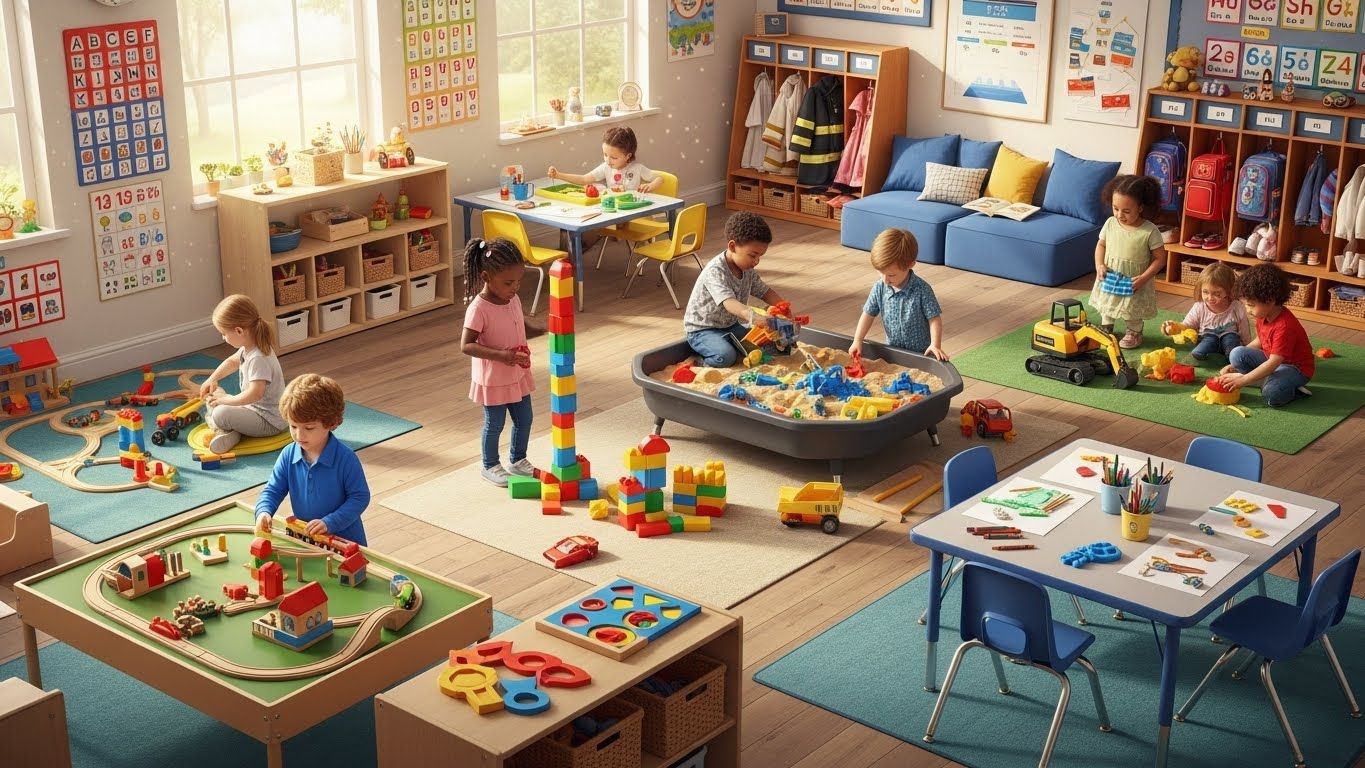
Ever watched a seven-year-old build a Lego Death Star while explainin’ quantum physics to their goldfish? Yeah, that’s not an exaggeration—it’s Tuesday. At this age, kids are little sponges with opinions, and their brains are hungry for *meaningful* play. That’s where learning toys for 7 year olds come in: not just flashy plastic junk, but tools that sneak math, logic, empathy, and creativity into their day like a ninja with a backpack full of wonder. Forget “just for fun”—these toys? They’re low-key brain architects.
What Makes a Toy Actually “Educational” (and Not Just Expensive Clutter)?
Here’s the tea: if it doesn’t spark curiosity, challenge thinking, or invite repeat play without adult naggin’, it’s decor—not a toy. Real learning toys for 7 year olds balance structure and freedom. Think open-ended building sets, strategy board games, or science kits that end in minor explosions (the safe kind). The best ones grow with the kid—today it’s counting gears, tomorrow it’s designing a Rube Goldberg machine. And please, for the love of all that’s holy, skip anything that talks *at* them. Seven-year-olds want to *do*, not be lectured by a robot duck.
Wait—Is There a Rule for How Many Toys a Kid Should Have?
Yup, and it’s called the 20 toy rule. The idea? Limit active toys to 20 at a time to reduce overwhelm, boost imagination, and—let’s be real—save your sanity from tripping over 87 tiny action figures at 2 a.m. But here’s the kicker: those 20 should include high-quality learning toys for 7 year olds that cover different domains—fine motor, logic, language, emotional regulation. Rotate ‘em seasonally, and suddenly your kid’s not bored; they’re rediscovering old favorites like buried treasure. Less is more, especially when “more” means stepping on a Lego barefoot.
How Do You Pick Learning Toys That Won’t Get Ignored by Week Two?
Involve the kid. Shocking, right? Ask what they’re obsessed with—dinosaurs, space, baking weird cupcakes—and find learning toys for 7 year olds that ride that wave. A dino-lover might adore a fossil excavation kit; a future chef might geek out on a measuring-and-fractions cooking set. Also, prioritize toys that let them *create*, not just consume. A coding robot that follows commands? Meh. One they can program to dance to Taylor Swift? Now you’re speakin’ their language. Bonus if it survives a juice spill.
What About the “3 3 3 Rule” for Kids—Does It Apply to Toys Too?
Absolutely. The 3 3 3 rule—3 hours of screen time max, 3 hours of structured activity, 3 hours of free play—ain’t just a schedule hack; it’s a toy filter. Your learning toys for 7 year olds should thrive in that last chunk: unstructured, imaginative, self-directed. Think magnetic tiles, storytelling dice, or a DIY marble run. These aren’t babysitters—they’re co-conspirators in play. And when your kid spends an hour negotiating peace treaties between stuffed animals using a handmade “diplomacy board”? That’s social-emotional learning in its purest, goofiest form. 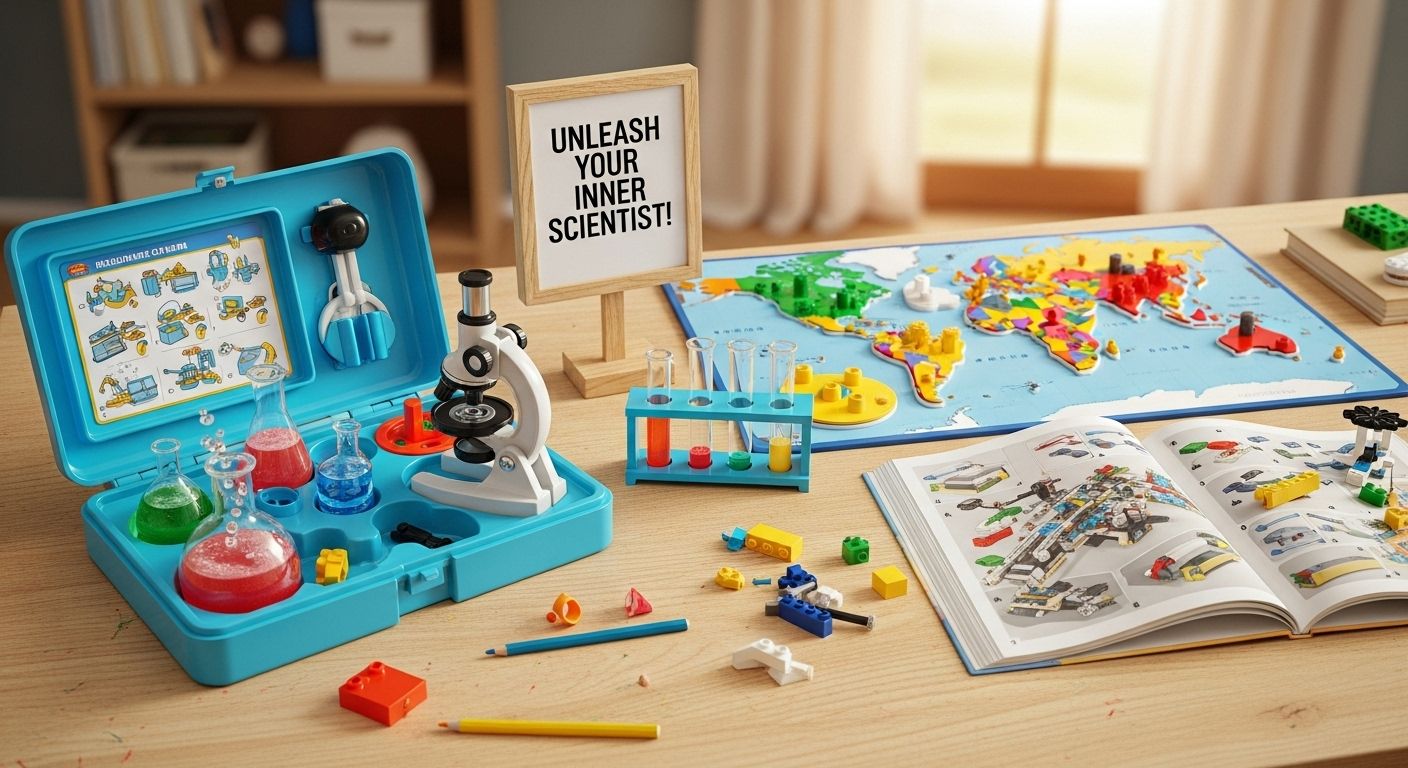
Do Board Games Count as Learning Toys? (Spoiler: Heck Yes.)
Forget Candy Land—modern board games for seven-year-olds are stealthy genius. Games like Kingdomino teach spatial reasoning, Rory’s Story Cubes boost narrative skills, and Outfoxed! introduces deductive logic—all while feelin’ like a party. Plus, they’re screen-free bonding time that doesn’t involve you pretending to care about Minecraft mods. When you’re rollin’ dice and strategizin’ together, you’re not just playin’—you’re modelin’ patience, sportsmanship, and how to lose without cryin’ (much). That’s the magic of well-designed learning toys for 7 year olds.
What’s the Deal With STEM vs. “Soft Skill” Toys?
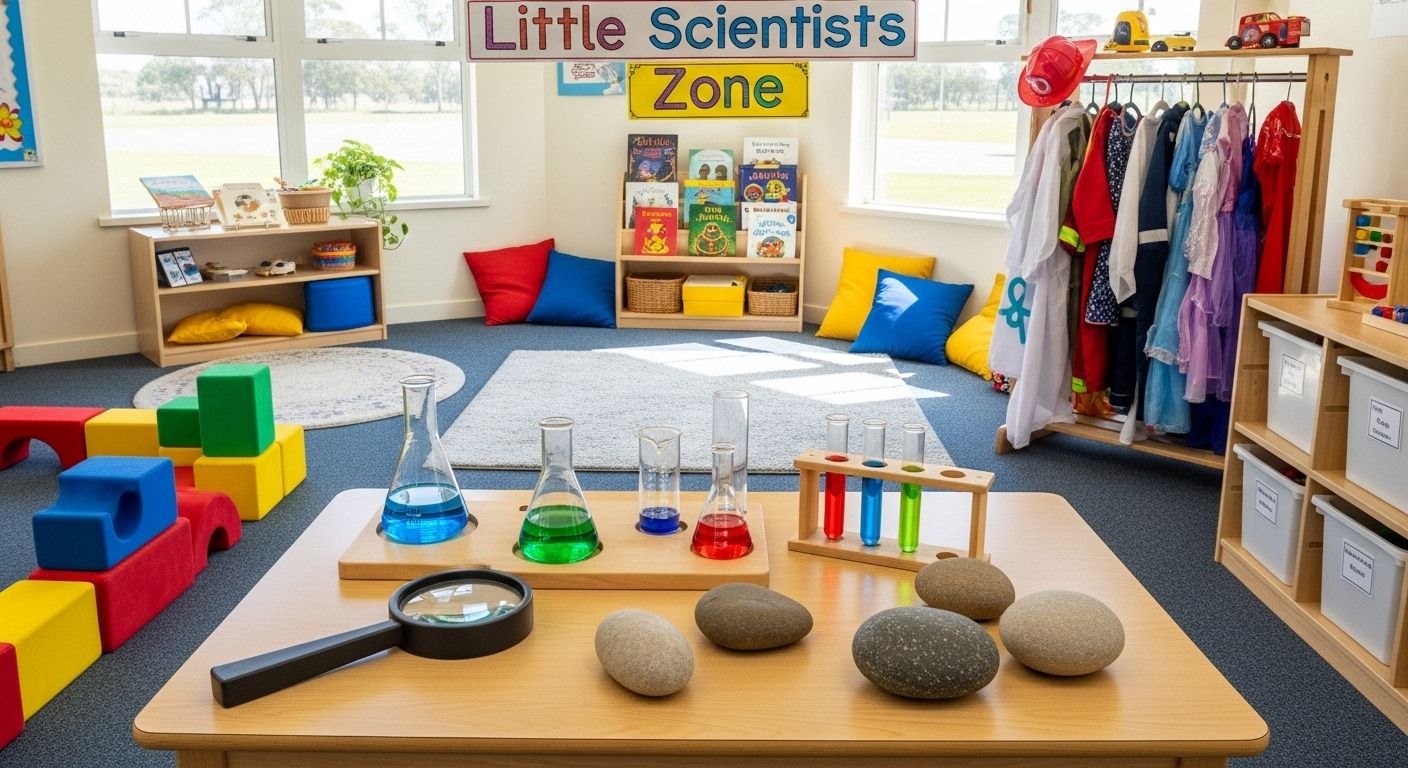
Why choose? Seven-year-olds need both. Sure, a robotics kit builds engineering chops—but so does a puppet theater that lets them explore feelings through made-up characters. The best learning toys for 7 year olds blend hard and soft skills seamlessly. Take a chemistry set that also includes journal prompts: “What surprised you?” “How did you feel when the volcano erupted?” That’s science *and* emotional literacy in one fizzy package. Balance is key—after all, the world needs coders who can also read a room.
Are Eco-Friendly Learning Toys Worth the Extra Bucks?
When you’re spendin’ $25–$60 USD on learning toys for 7 year olds, durability and ethics matter. Wooden puzzles, recycled-plastic building sets, or plant-based art supplies last longer, look prettier on the shelf, and teach sustainability by example. Plus, they don’t off-gas mystery chemicals while your kid’s nuzzlin’ ‘em during quiet time. Brands that use non-toxic finishes and ethical labor? That’s not a premium—that’s baseline decency. And honestly, maple blocks just *feel* better in little hands than brittle plastic.
How Do You Know If a Toy Is Age-Appropriate (Beyond the Box Label)?
Labels lie. Some “7+” toys are babyish; others expect calculus. Look for learning toys for 7 year olds that offer layered challenges—simple entry, complex mastery. A good sign? The instructions say “There’s no wrong way to play.” Also, check reviews from actual parents, not influencers shillin’ for free stuff. Real talk: if a toy requires a PhD to assemble or vanishes after one use, it’s not for your seven-year-old—it’s for the landfill. Seek toys that invite tinkering, failure, and “Hey Mom, watch this!” moments.
Where Can You Find the Best Learning Toys Without Wasting Cash?
Start with trusted curators who test rigorously. Skip the big-box aisles full of noise-making junk. Instead, head to The Green Bean Goods for thoughtfully vetted picks that blend beauty, function, and developmental smarts. Dive deeper in the Educational category for filtered gems by skill and age. And if you’ve got an older kid too, don’t miss the Educational Toys For 11 Year Olds Elite Secrets guide—it’ll help you plan ahead while keepin’ your 7-year-old’s shelf fresh and fierce.
Frequently Asked Questions
What is the 20 toy rule?
The 20 toy rule suggests limiting a child’s active toys to 20 at any time to reduce clutter and boost focused play. When applied to learning toys for 7 year olds, it encourages selecting high-quality, versatile items that support cognitive, emotional, and physical development—making every toy count.
What are good educational toys for 8 year olds?
While slightly older, many top-tier learning toys for 7 year olds—like advanced coding kits, strategy board games, and creative engineering sets—also suit 8-year-olds. The key is choosing open-ended, skill-building toys that respect their growing independence and intellectual curiosity.
What presents do 7 year olds like?
Seven-year-olds crave agency and adventure. The best presents—especially learning toys for 7 year olds—let them build, experiment, tell stories, or solve mysteries. Think detective kits, art studios, or modular robots they can customize. Gifts that say “I trust you to figure this out” hit harder than any flashy gimmick.
What is the 3 3 3 rule for kids?
The 3 3 3 rule recommends roughly 3 hours of screen time, 3 hours of structured activity, and 3 hours of free play daily. High-quality learning toys for 7 year olds shine in that free-play window—fueling imagination, problem-solving, and self-directed exploration without adult direction.
References
- https://www.zerotothree.org/resources/series/play-and-learning
- https://www.naeyc.org/resources/topics/play
- https://www.apa.org/topics/child-development/toy-selection
- https://www.cdc.gov/ncbddd/actearly/milestones/index.html