Cheap Learning Toys: Affordable Educational Fun
- 1.
What exactly are “cheap learning toys” and why should we care?
- 2.
Unpacking the “10 toy rule” for mindful playtime
- 3.
Is splurging on educational toys actually worth it?
- 4.
The 20 toy rule vs. real life (spoiler: cheap learning toys win)
- 5.
Cheap learning toys that actually work for kids with ADHD
- 6.
Top 7 cheap learning toys under $15 (with real parent reviews)
- 7.
Why teachers love cheap learning toys (and you should too)
- 8.
DIY cheap learning toys: when your trash becomes treasure
- 9.
Where to find legit cheap learning toys online (without getting scammed)
- 10.
Linking play and progress: why cheap learning toys aren’t “less than”
Table of Contents
cheap learning toys
What exactly are “cheap learning toys” and why should we care?
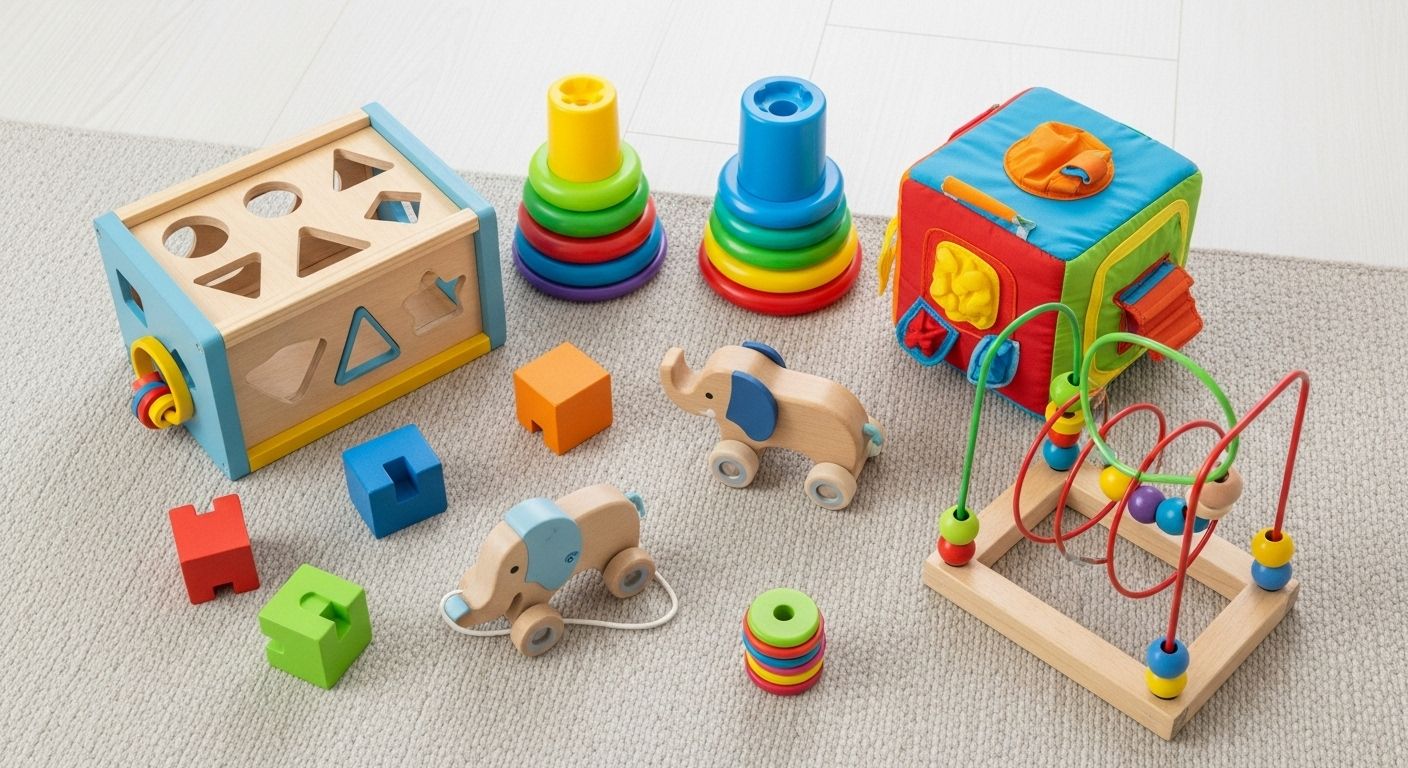
Ever walked into a toy aisle and felt like you needed a second mortgage just to grab a “smart” stacking ring? Yeah, us too. But hold up—cheap learning toys ain’t about skimpin’ on quality. Nah, they’re about maximizing brain gains without maxin’ out your wallet. These little gems pack cognitive punch, motor skill boosts, and even emotional development—all for under like, thirty bucks. And c’mon, in this economy? We’re all lookin’ for that sweet spot between “educational” and “won’t cry when it breaks.” Cheap learning toys deliver exactly that: play + progress, no fancy price tag needed.
Unpacking the “10 toy rule” for mindful playtime
You’ve probably heard whispers of the 10 toy rule—and no, it ain’t some cult thing (lol). It’s actually a gentle parenting hack to prevent toy overload while keepin’ playtime fresh and focused. The gist? Limit your kiddo’s active toy rotation to just ten items. Yep, ten. And guess what? Most of those can be—wait for it—cheap learning toys! Think wooden alphabet blocks, DIY sensory bottles, or even repurposed kitchen tupperware. Less clutter = more creativity. And honestly? Your sanity’ll thank you. Pro tip: Swap out toys weekly so it feels like Christmas every Monday (minus the debt).
Is splurging on educational toys actually worth it?
“Are educational toys worth the cost?” asks Google. Well, honey, it depends. If you’re droppin’ $80 on a tablet that sings the alphabet in 12 languages but your toddler just licks it… maybe not. But when you invest in cheap learning toys that are open-ended—like magnetic tiles, shape sorters, or counting bears—you’re getting years of play from something that costs less than your weekly coffee run. Science backs this up too: simple, tactile toys build neural pathways waaay better than flashy, battery-guzzling junk. So yeah—cheap learning toys = smart spending, not cheap parenting.
The 20 toy rule vs. real life (spoiler: cheap learning toys win)
Some folks swear by the 20 toy rule—a slightly more generous cousin of the 10-toy thing. But let’s keep it 100: whether it’s 10 or 20, what matters is what’s in the count. If half your list is random plastic crap from birthday goody bags? Not helpful. But if you curate a mix of cheap learning toys that cover fine motor skills, language, logic, and pretend play? Jackpot. Think: a $5 play-dough set (fine motor + creativity), a $7 felt storytelling board (language + empathy), and a $4 abacus (math vibes). That’s 3 toys, under $20, doing the work of 20 cheap plastic nothings.
Cheap learning toys that actually work for kids with ADHD
Parents of kids with ADHD know: not all toys are created equal. Flashy, loud, fast-paced stuff? Total overstim. But cheap learning toys with focused, tactile, or repetitive elements? Gold. Like, ever seen a kid with ADHD totally zone into kinetic sand or a fidget chain? Yep. These cheap learning toys offer just enough sensory input without tipping into chaos. Bonus: many are *super* affordable. A $6 stress ball pack, $3 pipe cleaners for building, or even a $5 marble run kit can become their go-to calm corner. And hey—if it helps ‘em focus during homework? Worth every penny.
Top 7 cheap learning toys under $15 (with real parent reviews)
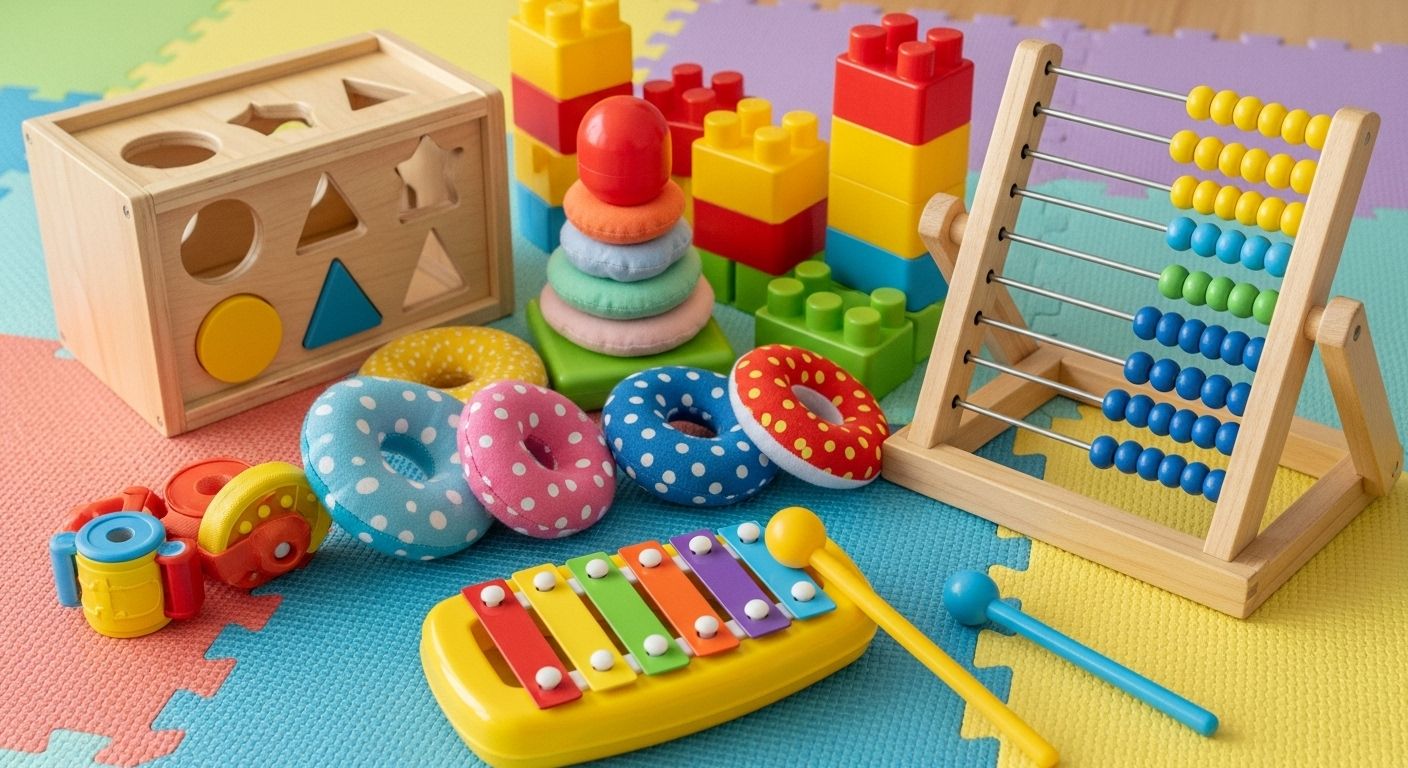
We scoured mom forums, teacher recs, and our own chaotic playrooms to bring you this no-BS list of cheap learning toys that actually get used:
- Wooden puzzles ($8) – “My 3yo does this 4x a day. Calm chaos.” – @MamaJKT
- Alphabet fridge magnets ($5) – “Spelling ‘cat’ while I cook = win.” – DadOfTwins
- Counting bears with cups ($12) – “Math time without tears? Yes plz.”
- Felt emotion faces ($6) – “Helps my nonverbal kid point to how he feels.”
- Rainbow stacking cups ($7) – “Bath, sand, kitchen—lives everywhere.”
- DIY lacing cards ($4 + old cereal box) – “Fine motor + recycling win.”
- Mini whiteboard + markers ($10) – “Replaces 100 sheets of paper. Eco + cheap.”
All of ‘em scream cheap learning toys, zero of ‘em scream “another toy landfill.”
Why teachers love cheap learning toys (and you should too)
Here’s a hot take from the trenches: classroom teachers adore cheap learning toys. Why? ‘Cause they’re versatile, durable (mostly), and don’t rely on batteries dying mid-lesson. A set of pattern blocks can teach geometry, symmetry, AND color sorting—all while looking like colorful confetti. And when you’re working with 25+ kids on a shoestring budget? Cheap learning toys are survival gear. So next time you’re at a dollar store and spot those snap cubes or foam letters—grab ‘em. You’re basically shopping like a pro educator. (Bonus: your kid’ll think you’re magic when learning feels like play.)
DIY cheap learning toys: when your trash becomes treasure
Who said cheap learning toys gotta come from a box? Some of the best learning tools are made from… yesterday’s junk mail. Seriously:
- Cereal boxes → letter cards
- Yogurt cups → counting counters
- Old socks → puppets for storytelling
- Egg cartons → color sorting trays
Not only does this cut costs to near-zero, but it also teaches kids about reuse and creativity. And let’s be real—nothing beats the grin on their face when they realize they built the toy. Plus, if it gets destroyed? Meh. Just make another. That’s the beauty of cheap learning toys you create yourself.
Where to find legit cheap learning toys online (without getting scammed)
Alright, real talk: not all “educational” toys online are legit. Some are just plastic junk with a fancy label. But if you know where to look? Cheap learning toys galore. Start with trusted hubs like Deals section on The Green Bean Goods, where they vet stuff for actual learning value. Also peep seasonal sales on Montessori-inspired brands, or even secondhand marketplaces (Facebook Marketplace, local buy-nothing groups). Pro move: check reviews for phrases like “still uses it after 6 months” or “my kid asks for it daily.” That’s the stamp of a *real* cheap learning toy.
Linking play and progress: why cheap learning toys aren’t “less than”
There’s this weird myth that if a toy’s cheap, it’s “low quality” or “not educational enough.” Bruh. Some of the most powerful cheap learning toys in history cost pennies: a stick (pretend sword), a rock (counting tool), a cardboard box (spaceship, fort, grocery store…). Modern versions? Same energy. A $3 set of wooden rings teaches sequencing better than a $50 app. A $6 sensory bottle builds focus longer than a flashy tablet game. So let’s ditch the price-shaming. Cheap learning toys aren’t about cutting corners—they’re about cutting through the noise to what *actually* helps kids grow. And hey—if you’re saving cash while doing it? Double win. Speaking of wins, have you seen the stylish deals over at childrens designer clothes sale stylish kid deals? Because looking smart and learning smart go hand-in-hand.
Frequently Asked Questions
What is the 10 toy rule?
The 10 toy rule is a minimalist parenting approach that limits a child’s active toy collection to just 10 items at a time to reduce clutter, increase focus, and encourage imaginative play—often filled with cheap learning toys that offer high educational value without high costs.
Are educational toys worth the cost?
Educational toys are worth the cost only if they’re used consistently and promote open-ended play. Many cheap learning toys—like blocks, puzzles, or counting sets—deliver the same (or better) developmental benefits as expensive electronic toys, making them a smarter, more sustainable investment.
What is the 20 toy rule for kids?
The 20 toy rule expands the minimalist toy concept to allow 20 toys in rotation, encouraging parents to curate a diverse set of cheap learning toys that support physical, cognitive, emotional, and social development—without overwhelming the child or the household.
What toys do children with ADHD like?
Children with ADHD often thrive with tactile, repetitive, or fidget-friendly cheap learning toys such as kinetic sand, lacing beads, building sticks, or sensory bottles—items that provide calming sensory input while supporting focus and fine motor skills.
References
- https://www.zerotothree.org/resources/325-choosing-toys-for-young-children
- https://www.naeyc.org/resources/pubs/tyc/oct2015/choosing-right-toys
- https://www.cdc.gov/ncbddd/adhd/features/toys-for-kids-with-adhd.html
- https://www.psychologytoday.com/us/blog/the-athletes-way/201405/the-neuroscience-play
- https://www.montessori.org/toy-guide-for-parents